When Pressured to Remove Religion from A Charlie Brown Christmas, Charles Schulz Refused — and Changed TV Forever
In today’s media landscape, controversy often leads to compromise. But in 1965, Charles Schulz made a creative decision so defiant, so quietly radical, that it reshaped the future of television — and no one expected it to work.
When executives urged Schulz to remove overt religious references from A Charlie Brown Christmas, his response was simple:
He wouldn’t budge.
What followed was a gamble that nearly sank the project… and ultimately turned it into one of the most beloved holiday specials of all time.
The Network’s Fear: “This Will Never Work”
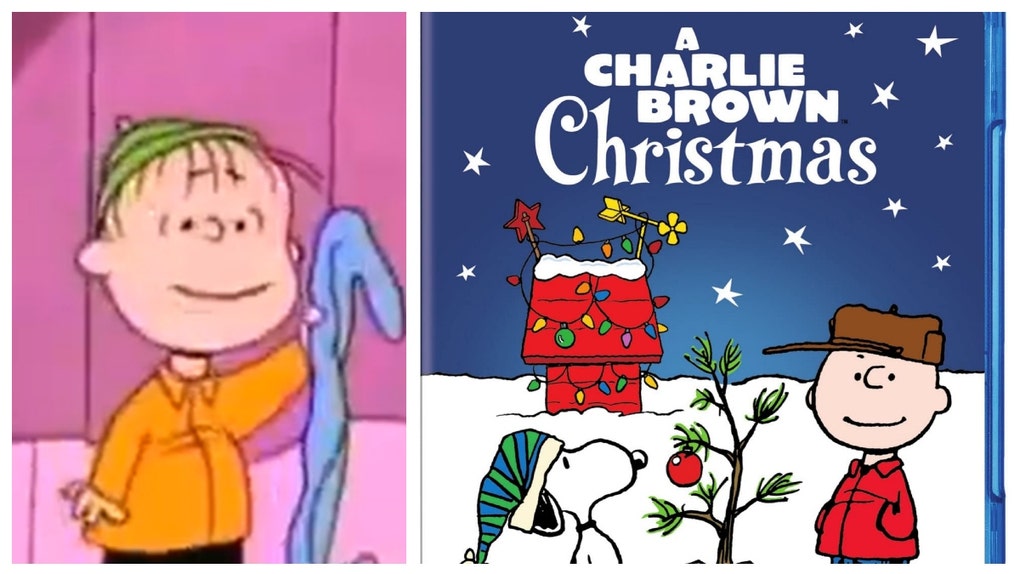
By the mid-1960s, television executives were nervous about anything that challenged convention. Animated specials were rare. Children’s programming tied to comic strips was untested. And religion? That was seen as a guaranteed ratings risk.
Network representatives reportedly warned Schulz and producer Lee Mendelson that audiences wouldn’t respond well to biblical content — especially not in a prime-time holiday broadcast.
The concern wasn’t subtle:
Remove the religious material, or risk failure.
At the center of the controversy was one quiet, unassuming moment — a scene many now consider the emotional heart of the special.
The Scene That Almost Didn’t Air
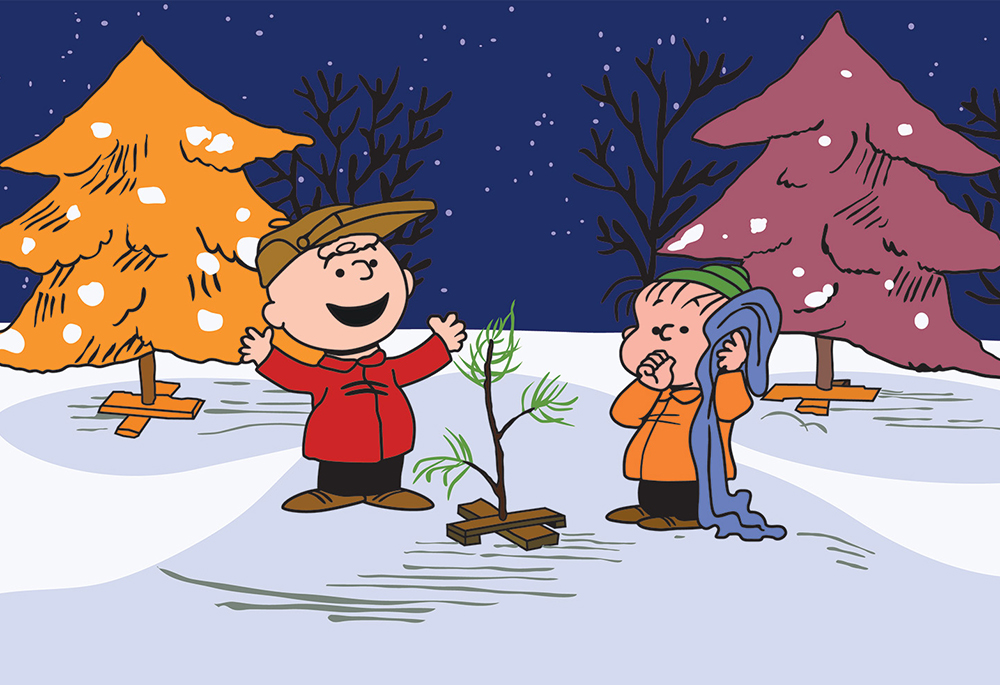
Midway through the program, Charlie Brown breaks down, frustrated by the commercialism surrounding Christmas. That’s when Linus van Pelt steps forward, blanket in hand, and recites the Gospel of Luke — verbatim.
“And there were in the same country shepherds abiding in the field…”
No jokes.
No background music.
No irony.
Just Scripture.
For network executives, it was dead air. For Schulz, it was non-negotiable.
Schulz believed that without acknowledging the religious meaning of Christmas, the story would be hollow. If the message was removed, the special didn’t deserve to exist.
A Risk That Paid Off Beyond Anyone’s Expectations
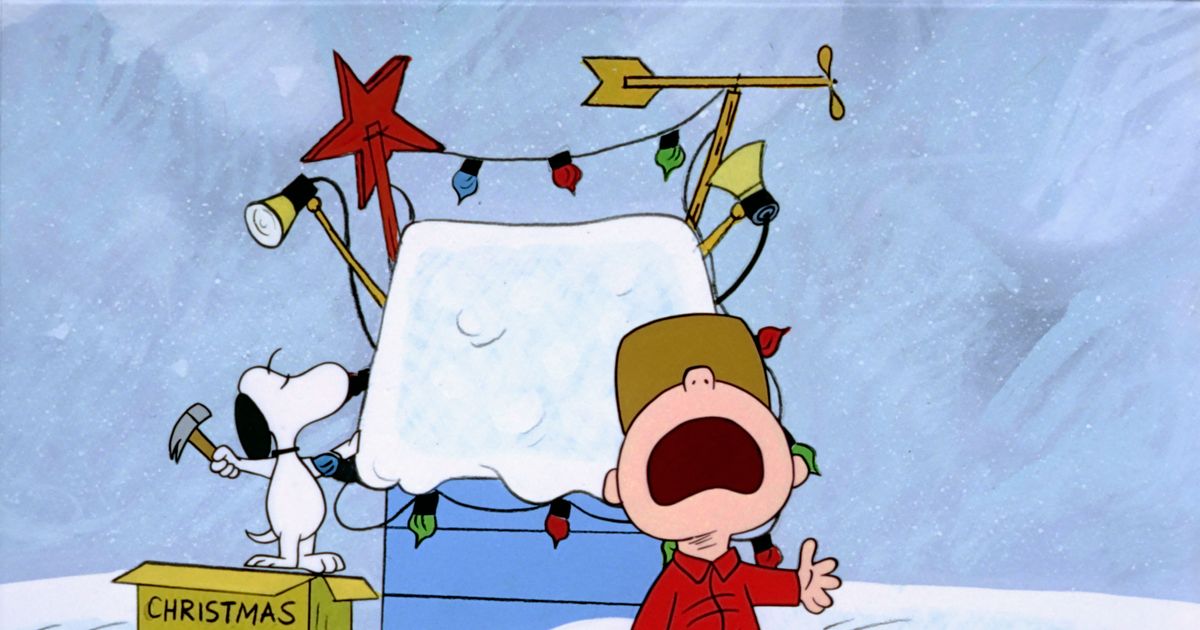
When A Charlie Brown Christmas finally aired, executives braced for disappointment.
Instead, more than 15 million viewers tuned in — nearly half the television audience at the time. Reviews were overwhelmingly positive. Viewers praised its sincerity, its restraint, and its courage to slow down in a medium obsessed with noise.
The very element executives feared became the reason the special endured.
Linus’s speech didn’t alienate audiences.
It grounded them.
Why Schulz’s Stand Still Matters Today
What makes Schulz’s refusal so powerful isn’t just the religious content — it’s the principle behind it.
At a time when creative voices are often filtered through committees, algorithms, and brand safety concerns, Schulz trusted the audience to engage with sincerity. He believed children — and adults — could handle quiet, meaning, and faith without being preached at.
And he was right.
Nearly 60 years later, A Charlie Brown Christmas still airs annually, unchanged. The Gospel reading remains intact. The silence remains sacred.
No edits.
No disclaimers.
No apologies.
The Legacy of One Uncompromising Choice
Charles Schulz never set out to make a political statement. He simply refused to strip the heart out of his story to make others comfortable.
That decision didn’t just save a Christmas special — it created a cultural touchstone that continues to resonate across generations.
In an era when compromise is often praised as wisdom, Schulz’s quiet defiance stands as a reminder:
Sometimes the most powerful thing a creator can say is no.