On Dec. 9, 1965, a half-hour animated Christmas special, based on the beloved Peanuts cartoon characters created by Charles Schulz, aired for the first time on CBS. Executives anxiously awaited the viewing results since this presentation was a grand departure from previous holiday specials. Unknown to them at the time, it would become a popular staple of holiday television fare for the next 57 years and often rank in the top three of viewers’ favorite Christmas presentations.
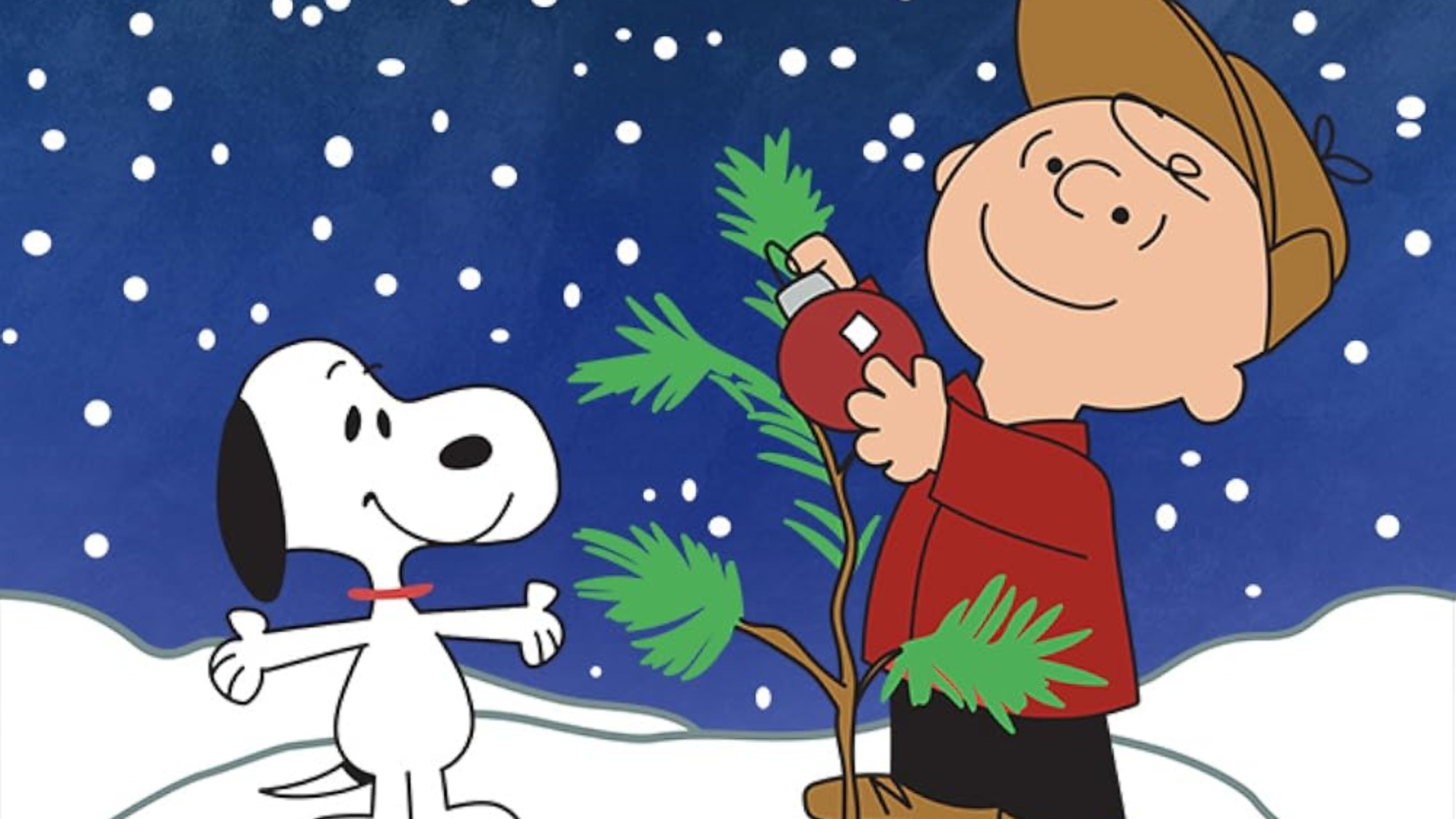
Although this was Schulz’s first animated special, many more would follow, undoubtedly due to the success of “A Charlie Brown Christmas.” Many were holiday specific — “It’s the Great Pumpkin, Charlie Brown,” “A Charlie Brown Thanksgiving,” “It’s the Easter Beagle,” etc. Many more — some holiday themed, some not — would follow. Fifty-one Peanuts specials would air over the years, including some created after Schulz’s death in 2000. But the most popular by far was his first TV offering — “A Charlie Brown Christmas.”
Charles M. Schulz started creating one-panel cartoons called “Li’l Folks” in 1947, which initially appeared in the St. Paul Pioneer Press. His first big break came when some of his drawings were featured in The Saturday Evening Post. In 1950, he signed a contract with United Feature Syndicate with Li’l Folks, who told him to change the name for legal reasons. He picked Peanuts.
In addition to Peanuts, he created a single-panel gag strip called “Young Pillars,” which ran from 1956 to 1965 for a youth magazine published by the Church of God. Unlike Peanuts, the comic featured teenagers, and most subjects were religiously themed.
Peanuts continued to grow in popularity and at its height was published daily in 2,600 papers in 75 countries in 21 languages. Schulz would draw the wildly successful cartoon for 50 years.
Sparking the television classic

By the early 1960s, Schulz was becoming recognized as one of the premier syndicated cartoonists. His characters were even featured on a spring issue of Time magazine. He was approached by television producer Lee Mendelson, who, like Schulz, was a huge baseball fan. Mendelson had done a documentary on a player they both admired, Willie Mays, and wanted to discuss creating a documentary on the popularity of the Peanuts cartoon strip. Schulz recommended that they consult with Bill Melendez, who had worked with Schulz on a commercial for Ford Motor Co.
They didn’t gain much traction with the proposal, which was rejected by several networks. However, Mendelson was contacted by a New York advertising agency that said Coca-Cola Co. was looking to sponsor a Christmas-themed presentation and wondered if Schulz would be agreeable. He was, and he soon began working on the animated special. (Some older VHS copies of the special still have the Coca-Cola sponsorship commercial at the beginning.)
Some of the issues that needed to be resolved were the cast, the music, whether to add a laugh track (nixed by Schulz) and, more culturally relevant, whether producers and sponsors would allow an overtly religious theme — something Schulz insisted on.
Until the Charlie Brown Christmas special, adult voice actors (and sometimes well-known actors and singers) did most of the dialogue in holiday cartoons, with bit parts done by children. Since no adults were ever seen or featured in the actual Peanuts cartoon strips, Schulz, Mendelson and Melendez decided to use only children’s voices in the production. Most of the children came from Mendelson’s neighborhood in California and read for the parts just as adult actors would for an assignment.
The music that made it memorable
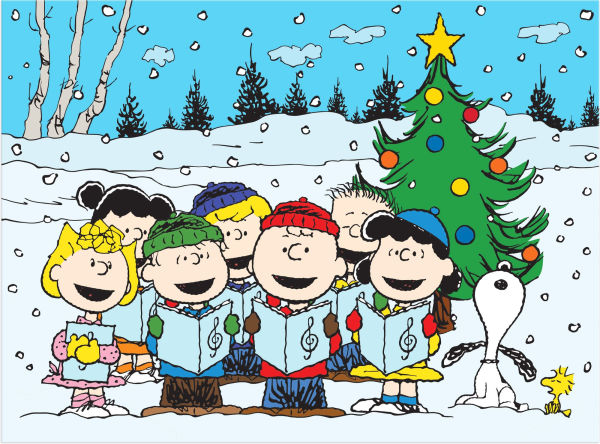
The singing for two of the songs was done by a local boys’ choir from St. Paul’s Episcopal Church in San Rafael. The songs “Christmas Time Is Here” and the closing “Hark! The Herald Angels Sing” are included on the “A Charlie Brown Christmas” album, which has sold more than 5 million copies. The boys were paid $5 per day for three days of work and given plenty of free ice cream — and that was it. Forty years later, one of the remaining choir members approached Schulz’s widow and asked for help organizing a reunion. This led to more recognition for the group’s contributions to the special and soundtrack. In 2024, “CBS Sunday Morning” ran an interview with four of the boys, which led to the choir members receiving residuals for digital downloads of “Christmas Time Is Here.” A deluxe edition of the soundtrack was also published featuring previously unreleased studio sessions with the boys and the Vince Guaraldi Trio. (As I sit in a local coffee shop composing this report, “Christmas Time Is Here,” sung by the original choir, is playing in the background!)
Charles Schulz loved Christmas music almost as much as Mendelson loved jazz. When they went looking for a band or orchestra to produce the music for the special, Schulz kept both genres in mind. He didn’t have to go far, because he had already hired jazz bandleader Vince Guaraldi to create music for the Peanuts documentary that never aired. One of the songs created for that documentary, “Linus and Lucy,” was then used in the Christmas special and several subsequent Peanuts productions.
Guaraldi kept the music simple: himself on keyboards, a bass cello player and a drummer. The other two instruments rotated among a few musicians. The drum parts were usually soft, with brushes instead of sticks. The resulting sound was gentle and soothing. The soundtrack was released the year after the original airing and remains one of the top-selling holiday albums of all time.
An unexpected cultural impact
When I was attending grade school, we lived across the street from a family with a modern home. They had a boy my age, and one winter evening when I walked to their house, I was stunned to see a beautiful, alien-looking Christmas tree in their window. It was made of aluminum with colored balls but no tinsel or lights.
A rotating color wheel on the floor illuminated it, and I was mesmerized. My parents were less impressed, and we got a real tree as usual. But unbeknown to me, artificial trees — especially aluminum — were growing in popularity and threatening to surpass real-tree sales. When the Charlie Brown special aired, it sparked nostalgia for real trees and pretty much spelled the end of aluminum trees’ dominance. They’re still available today but have never regained their former popularity.
This year marks the 60th anniversary of the beloved holiday special “A Charlie Brown Christmas.” It will be celebrated with commemorative items sold through Hallmark stores and online. Apple purchased the rights to Peanuts-related shows in 2020 and allowed them to air for two more years on free TV before moving them exclusively to its own platform and Amazon. This ended 57 years of free TV broadcasting. The DVD is still available for purchase on Amazon and eBay; you can stream or record it on Apple TV or rent or buy it on Amazon Prime Video. Ironically, in the Christmas movie “Fred Claus,” there is a scene near the beginning where Vince Vaughn’s character is sitting in his apartment watching “A Charlie Brown Christmas.”