Square foot gardening is an efficient and simple way to create a space to grow vegetables, herbs, and fruits in a small area to maximize crop mix with the best results. Invented by retired engineer Mel Bartholomew in 1976, the four most important considerations for a square foot gardener are planting, consistent weeding, spacing, and quality of soil. According to the Square Foot Gardening Foundation, this method saves 50% in cost, uses 20% less space, and just 10% of the water typically used, and demands a tiny 2% of the usual workload. While your actual results may differ from the Foundation estimates, the overall efficiency of square foot gardening is undeniable.
Benefits of Square Foot Gardening
Creating a square foot garden begins with careful planning, which reduces overbuying of seeds and other supplies. Thoughtfully considering which plants to add to your square foot garden will get you off to a good start. Tammy Sons, CEO and Founder of TN Nursery, says, “Before implementing square foot gardening, you need to invest some time in planning, especially when dealing with plants that have extensive root systems or widespread growth patterns.”
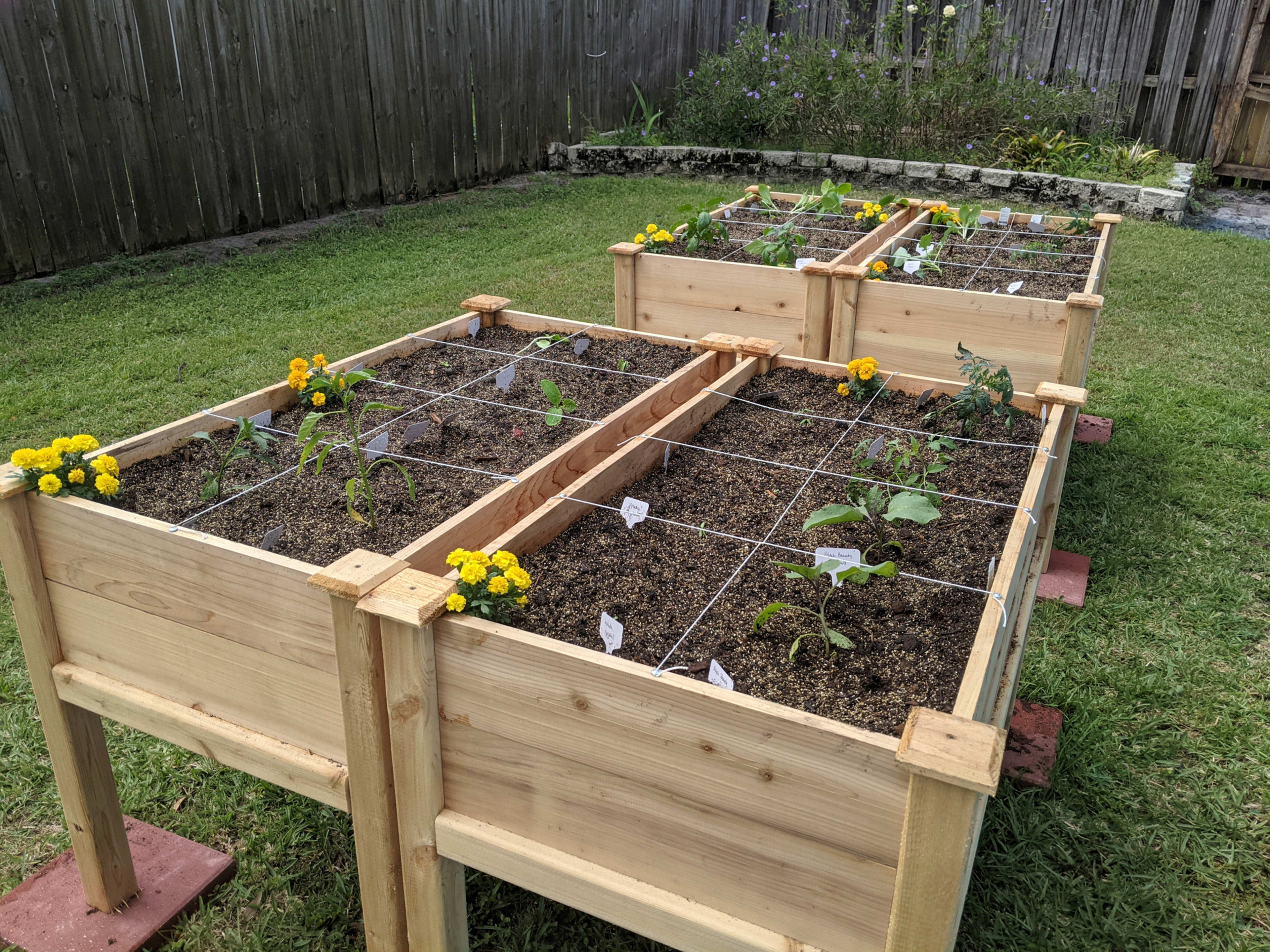
Square foot gardening can be done in a space as small as an urban balcony or a small back porch, but it can also take up a lot more space if you have the room, which means a larger selection of table-ready veggies for you to choose from. You can build a planter for your square foot garden, or buy one pre-made.
Other benefits of square foot gardening include:
No Digging
Digging is not needed to create a raised-bed square-foot garden. As with container plants, a square foot garden is self-contained, eliminating the need to dig holes.
Healthier Soil
By adding premixed soil, there’s no need for supplements, fertilizers, and other amendments. The soil stays loose and aerated, and the soil’s temperature is warmer than when it’s in the ground.
More Yield
The compacted space for planting means more yield per square foot, since there’s no wasted space between rows of crops. When starting with the recommended 4 ’ x 4’ bed, you’ll divide it into 16 separate squares, and each square can grow a different type of plant.
What to Plant in a Square Foot Garden
Square foot gardens are best for plants that aren’t vining or climbing. To grow tomatoes in a square foot garden, stick with smaller varieties. If you want to grow carrots or potatoes, they’ll need extra depth, so you may want to add a top hat to stabilize them.
How Many Plants Per Square?
When Bartholomew developed his square foot gardening method, he made specific recommendations about what to plant and how many plants to start with in each square foot. A specific number of seeds or plants is recommended for each size plant, making it very simple to decide which veggies and herbs to include in your square foot garden.
Extra-large plants
The largest plants in a square foot garden should be placed 12 inches apart, so plant one per square foot. These include broccoli, Brussels sprouts, cabbage, cauliflower, collard greens, mustard greens, eggplant, okra, and peppers. Vine tomatoes and sweet potatoes are also part of this one plant per square group.
Large plants
Bok choy, celery, corn, potatoes, and leaf lettuce should be planted 6 inches apart, with four plants per square.
Medium plants
Medium-sized crops need 4 inches between plants, allowing for nine plants in each square. Examples of these are leeks, spinach, turnips, and beets.
Small plants
You’ll get the most plants per square when you go with carrots, chives, onions, and smaller varieties of radishes. They need only 3 inches between them, and you can add 16 individual plants to each section.
Seed packets are another way to determine how much space a plant will need. Seed packets will indicate the “thin to” measurement of the enclosed seeds, which can be used to plan your spacing. If a packet says “thin to 3 inches,” you’ll know you need to plant your seeds 3 inches apart. Similarly, you can check the mature spread of plants to understand how much space they will need.
How to Plant a Square Foot Garden
Choose a spot where your garden will get at least six to eight hours of sunlight each day to keep your plants healthy and thriving. Add good-quality soil specifically for raised bed gardening. Your beds should be at least six inches deep. Check to determine the last frost date for your hardiness Zone before you begin planting.
Plant taller plants, like tomatoes, towards the northern side of the planter so they don’t cast shadows on the smaller crops. Lay out your grid so the smallest crops are towards the southern end, with the mid-sized in the middle. Make a finger-sized hole in the soil and add vermiculite to the bottom of the hole before adding the seeds, then a little more on top to help the seeds stay moist while they’re sprouting. Once you’ve planted your seeds, cover the top 2 inches with mulch or straw hay. Be careful not to overplant any squares, which will crowd the plants and inhibit their growth.
Remember to water your plants consistently, since containers need more watering than in-ground plants. Add amendments and fertilizer as needed, following the seed packet instructions for each plant you include in your square foot garden.