What is a weed? For many, a weed is simply the wrong plant in the wrong location. After all, one gardener’s weed may be another’s foraged edible or perfect pollinator plant. However weeds can pose a problem if left unchecked. Weeds can outcompete other plants for space, water, and light. They may host pests or diseases. Nonnative weeds can also be aggressive spreaders, to the point of being classified as invasive.
Ever wonder what kinds of weeds might be popping up in your garden? Weed on!
Bindweed
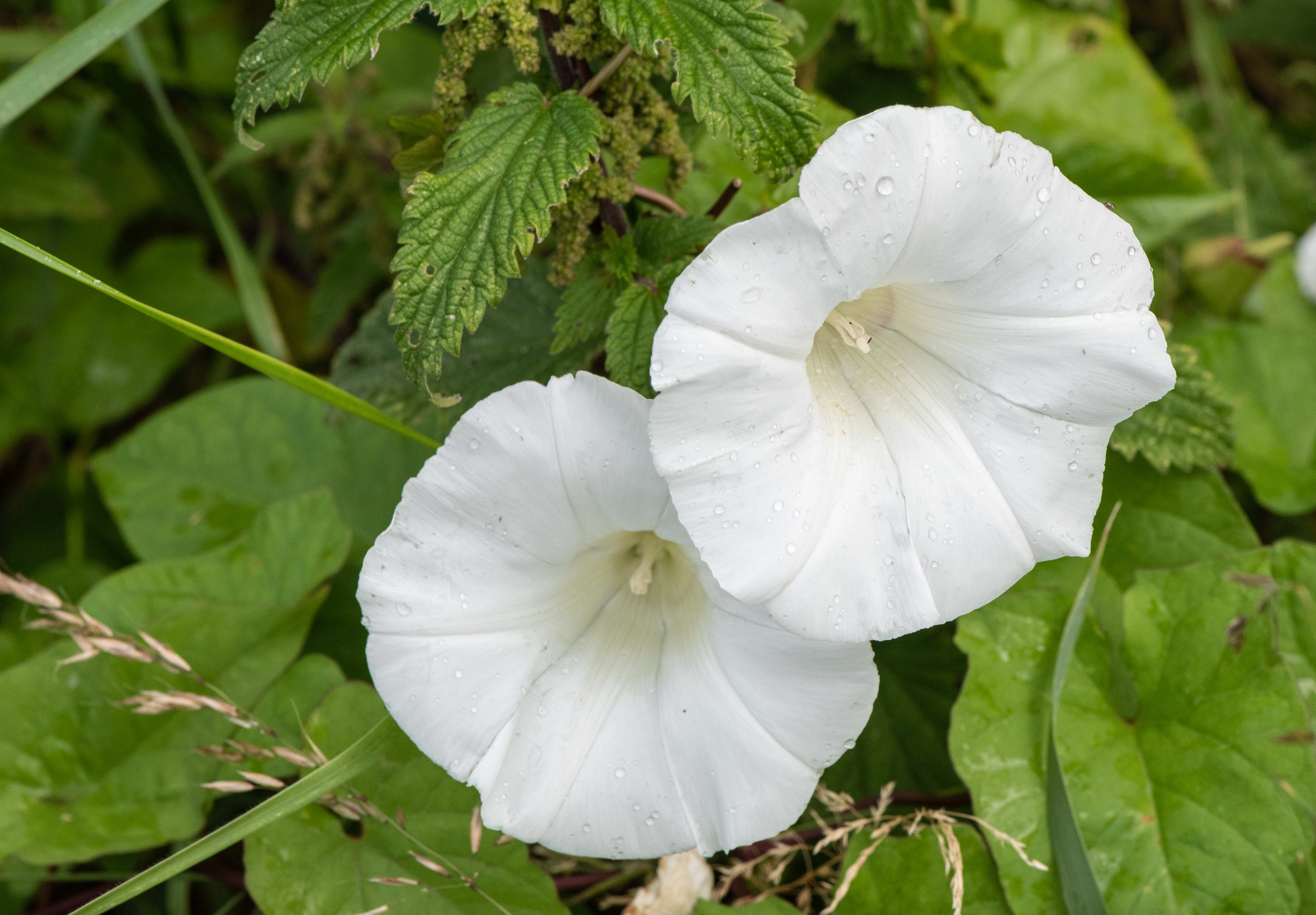
Classified as an invasive and noxious weed in over half of the United States, bindweed (Convulvulvus arvensis) is a twining perennial that trails along the ground and climbs up just about anything, including structures and other plants. Spade-shaped leaves cover long green vines that can extend several feet in either direction. Deep, expansive root systems reach even further underground, easily outcompeting other plants and crops for water and soil space. Pale pink or white flowers resemble those of a morning glory, however this is certainly not a plant one would hope to find in the garden. Bindweed grows most vigorously in full sun and tolerates a range of soil types.
Broadleaf plantain
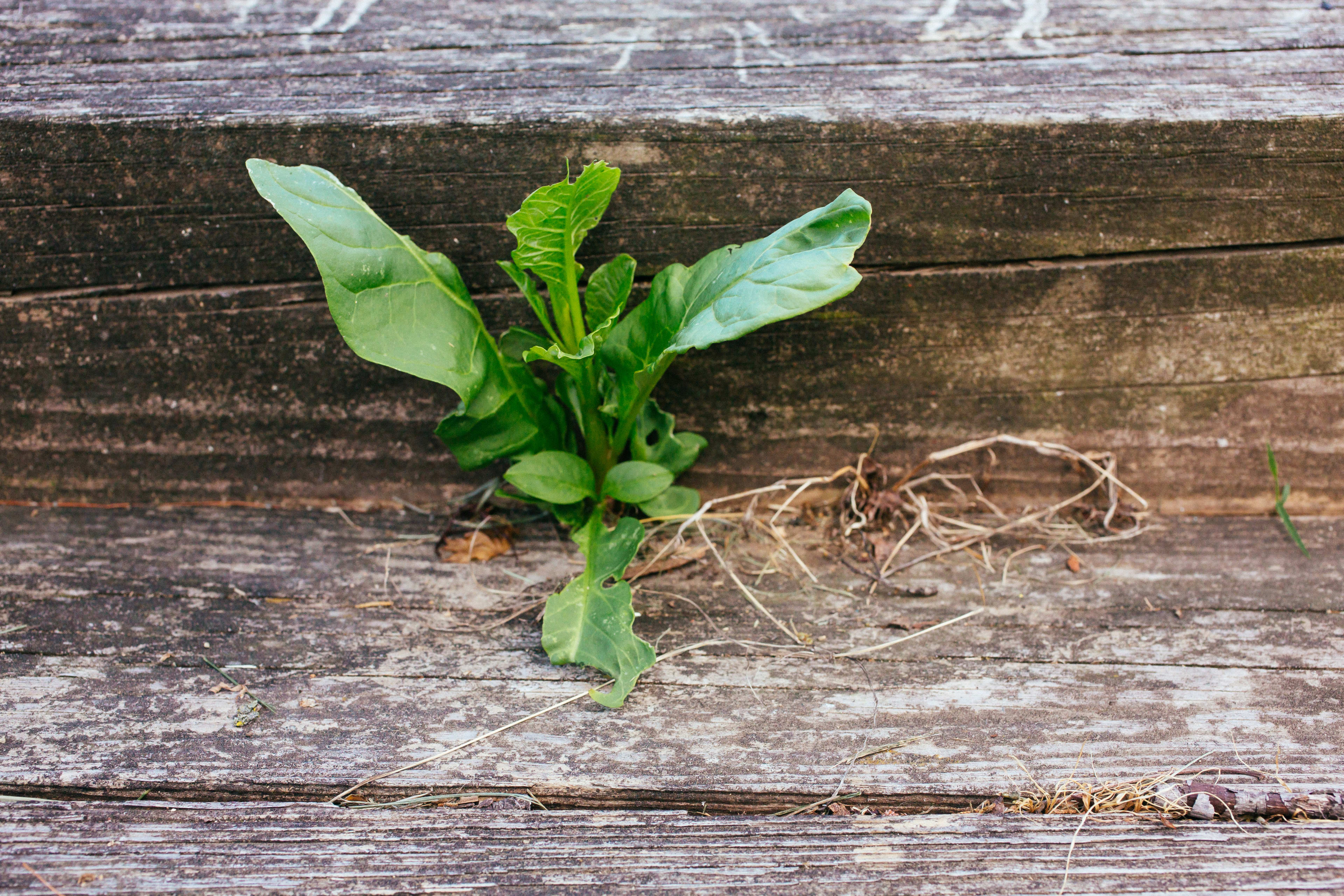
Broadleaf plantain (Plantago major) is a non-native perennial from Eurasia that has naturalized throughout much of North America. This plant is frequently found in disturbed areas, its taproot allowing it to flourish in compacted soils, including cultivated fields, road and driveway edges, and even grass lawns. Due to its low-growing form, broadleaf plantain often escapes the mower. Thick, ribbed leaves are arranged in a rosette, with a brown-green flowering spike rising from the center. Tiny brown seeds support birds and the leaves are both edible and medicinal.
Catchweed bedstraw
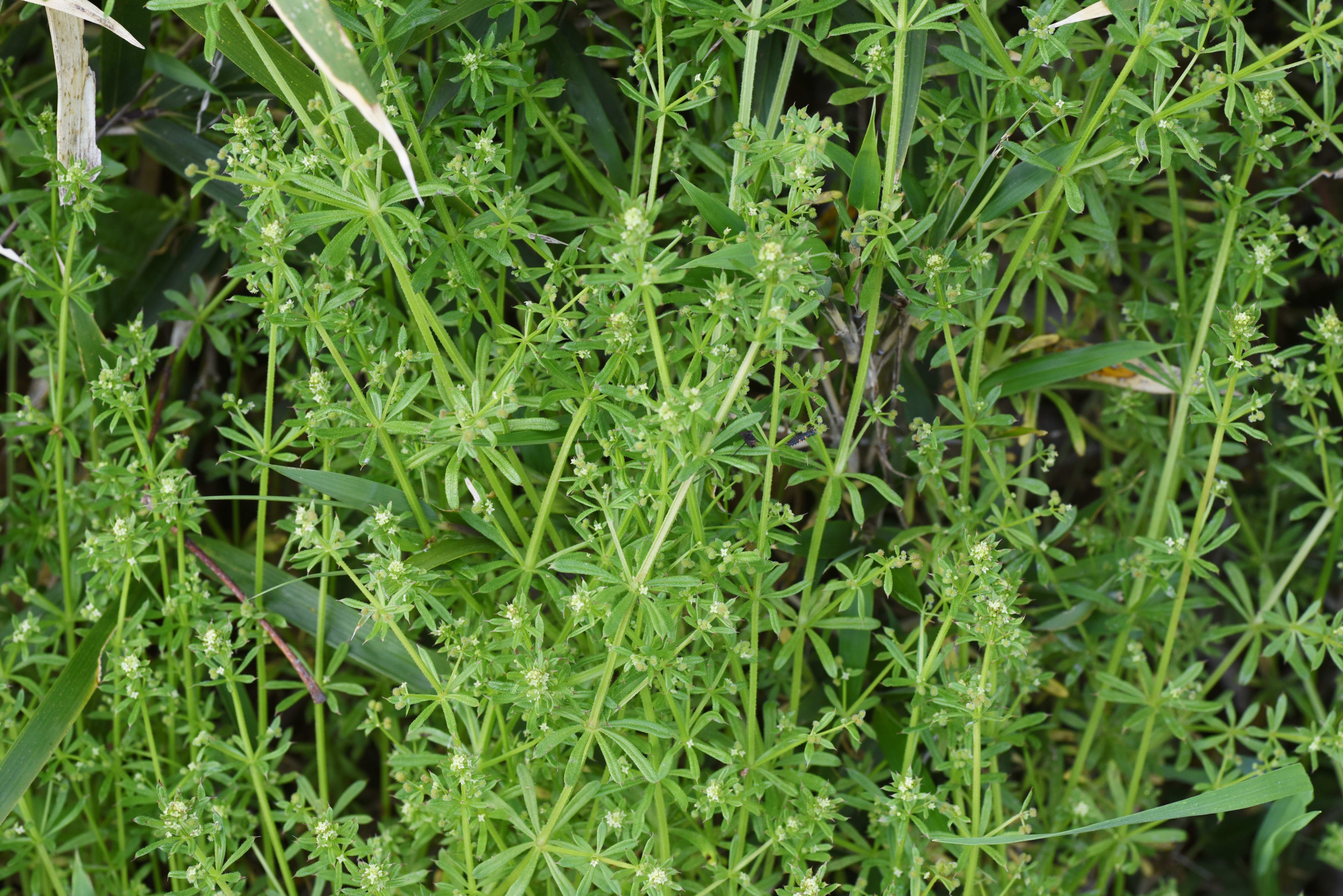
Also referred to as cleavers or stickywilly, catchweed bedstraw is a very common garden weed, found growing just about anywhere that has moderately moist soil. This plant prefers partial shade. Catchweed bedstraw (Galium aparine) has long, trailing stems that bear whorls of 6-8 leaves. The stems and leaves sport fine hairs that enable this perennial to ramble over and around other plants, as well as stick to pantlegs and garden gloves. Tiny, 4-petaled white flowers emerge in early summer. The flowers resemble those of this plant’s distant cousin, sweet woodruff.
Chickweed
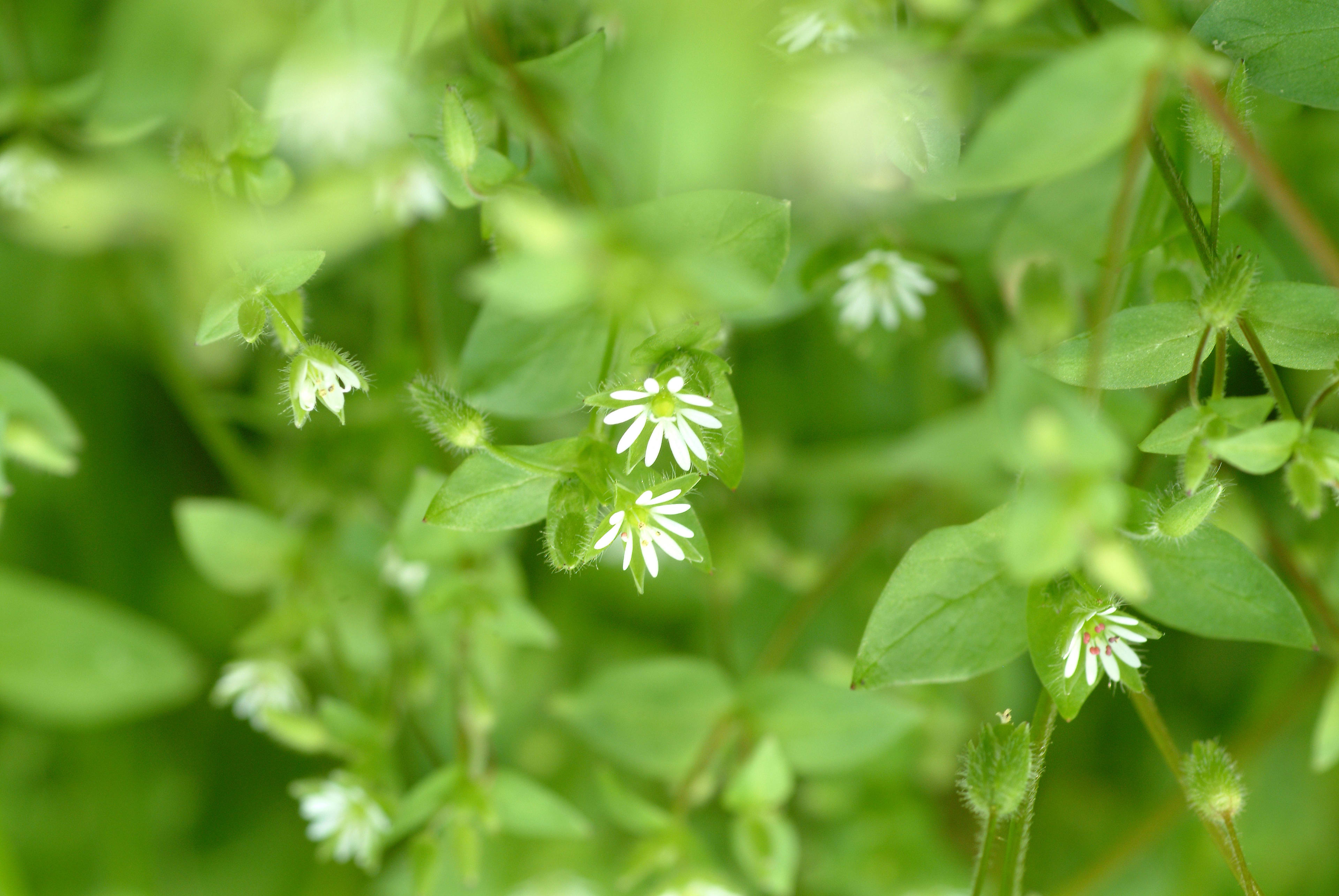
As the name indicates, chickweed (Stellaria media) is a favored food of chickens, however this creeping annual is also an important food source for native bees, moths, and songbirds. Chickweed has slender, leggy, light green stems that sprawl across the ground bearing petite oval leaves. Star-shaped white flowers, less than 1 centimeter wide, cluster at the end of the stems. This cool-season annual thrives in disturbed areas, and has been known to grow happily in roadside ditches, under trees, and along the edges of cultivated agricultural beds. Chickweed prefers cool, moist soil, growing especially thick in fertile, nitrogen-rich soils. Lucky for gardeners, the fibrous root system of chickweed is fairly shallow, making it super simple to pull this plant out.
Common blue violet
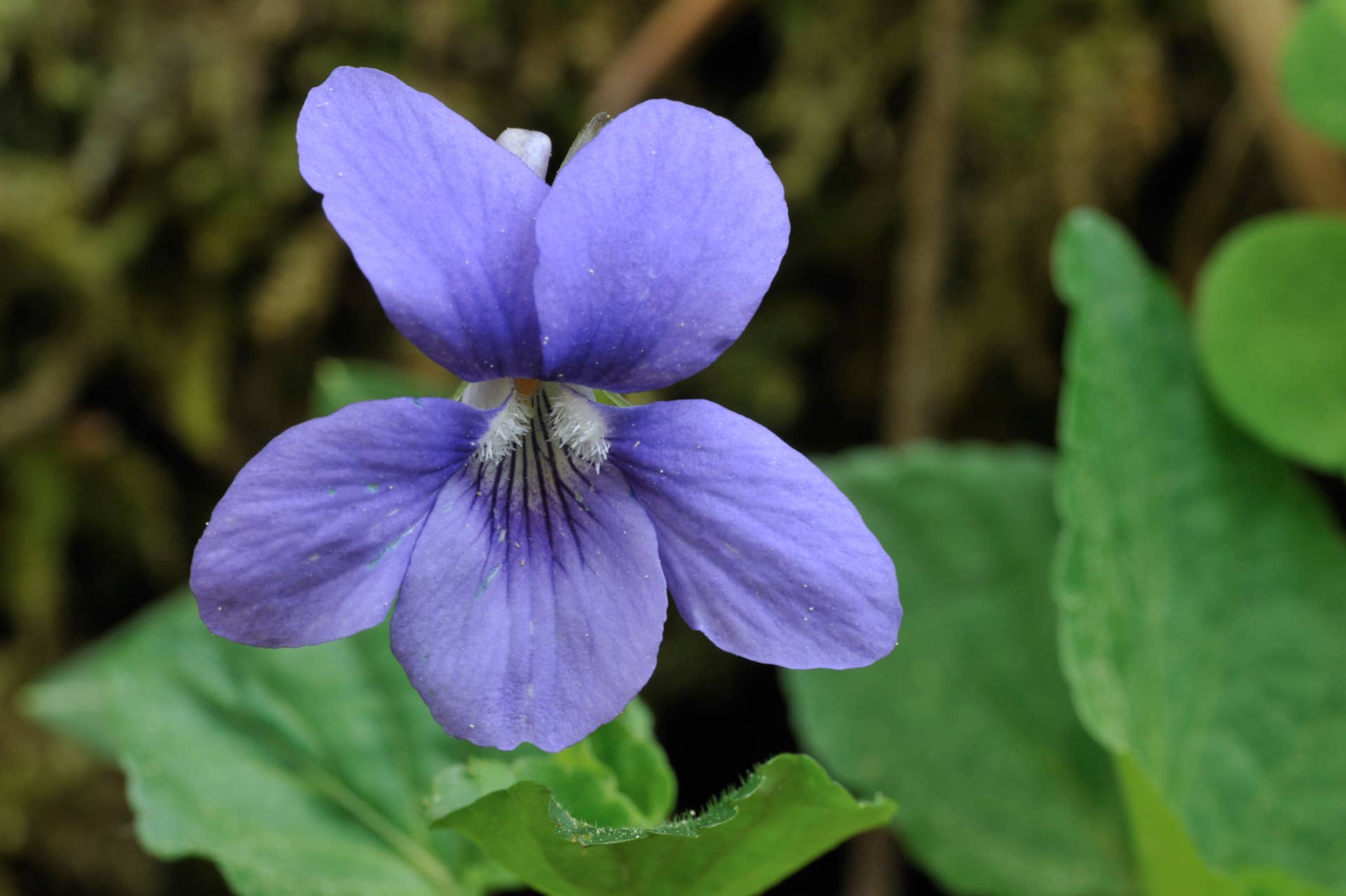
Despite being despised by turf lawn lovers, the common blue violet (Viola soraria) is actually a North American native plant. Also called wild violet, purple violet, or woolly blue violet, this compact perennial stands just 6 inches tall with heart-shaped leaves. Lovely purple, blue, and bicolor butterfly-shaped flowers emerge in the spring and, after fading in the summer heat, may reappear in the fall again. Spreading by both seed and rhizome, violets are quick to fill any available (and not so available) space in lawns, garden beds, and rock walls. Violets thrive in moist, partially shaded soils, however this diminutive plant is vigorous enough to grow just about anywhere.
Crabgrass
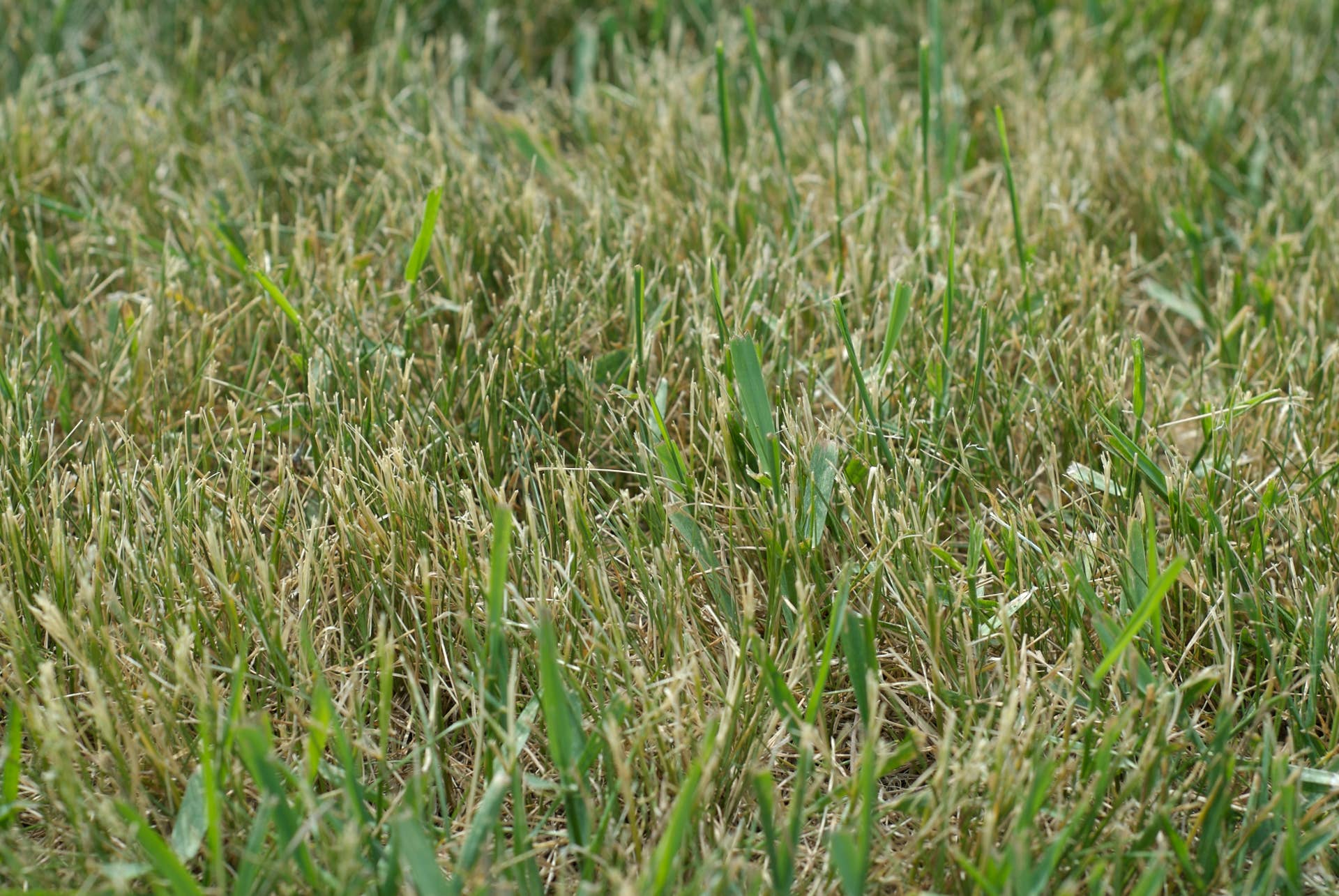
Crabgrass (Digitaria sanguinalis) is a warm-season grass that flourishes in hot, dry conditions. This tenacious plant has a very fibrous, deep-reaching root system that allows it to easily outcompete other plants and grasses, especially during periods of drought. Crabgrass has slightly rolled blades that sprawl outward from a central, ground-hugging stem. Side stems, called “tillers” also stretch from the main stem, allowing crabgrass to creep along the ground and root itself.
Creeping bellflower
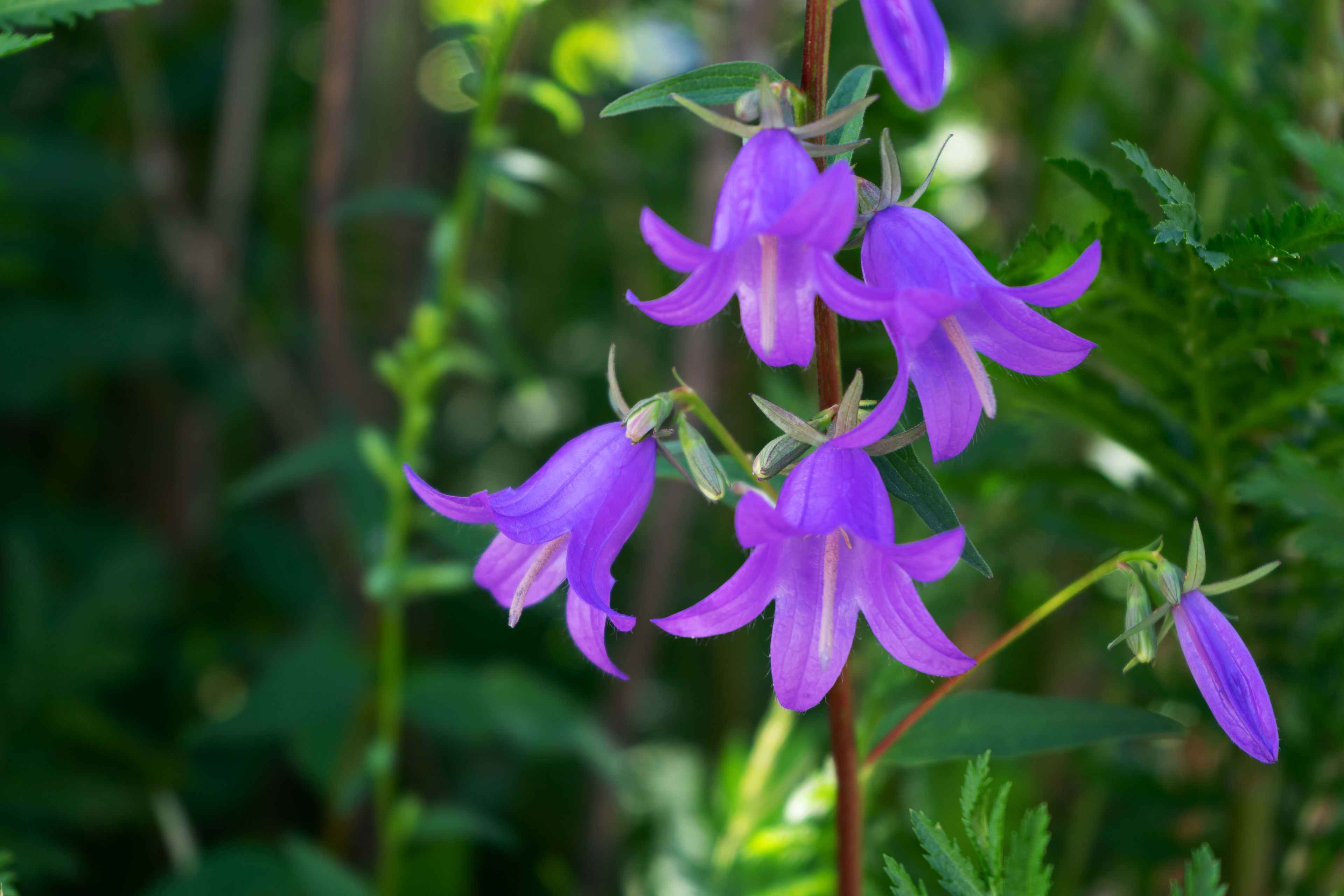
Despite its innocuous-looking flowers, creeping bellflower (Campanula rapunculoides) is an aggressive nonnative weed originating from Europe and Asia. Plants typically stand 1-3 feet tall, with flower stalks bearing pendulous, bright purple flowers. Lower leaves are heart-shaped but become smaller and narrower towards the top of the stem. Creeping bellflower spreads by both rhizomes and seeds, making it extremely difficult to remove once established. This perennial can be found primarily in disturbed areas, including roadside ditches, woodland edges, and gardens. As with many weeds on this list, creeping bellflower is highly adaptable and grows in just about any type of soil and tolerates both sun and shade.
Curly dock
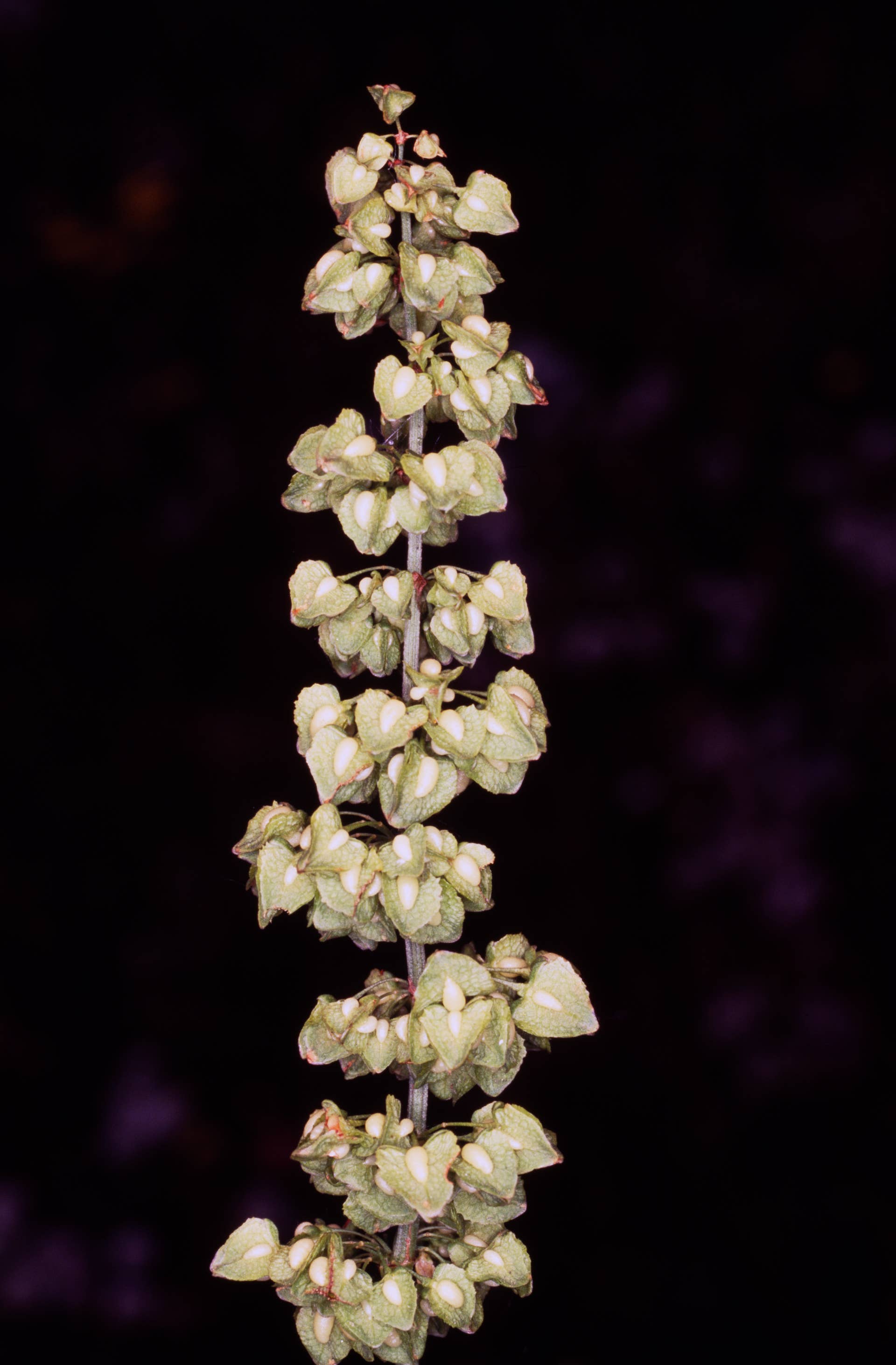
Curly dock (Rumex crispus) is easily recognized by its wavy-edged leaves. This domineering member of the buckwheat family features a basal rosette of foliage that sits atop a long, very sturdy taproot. Gardeners, beware: even if mowed to the ground, this stubborn plant is able to regenerate from said taproot. Plants stand 2-4 feet tall, with a central flower stalk bearing tiny, nondescript pale green flowers that eventually form seeds. Curly dock withstands occasional flooding, meaning it can be found along wetland edges, wet meadows and fields, and in rain gardens.
Dandelion
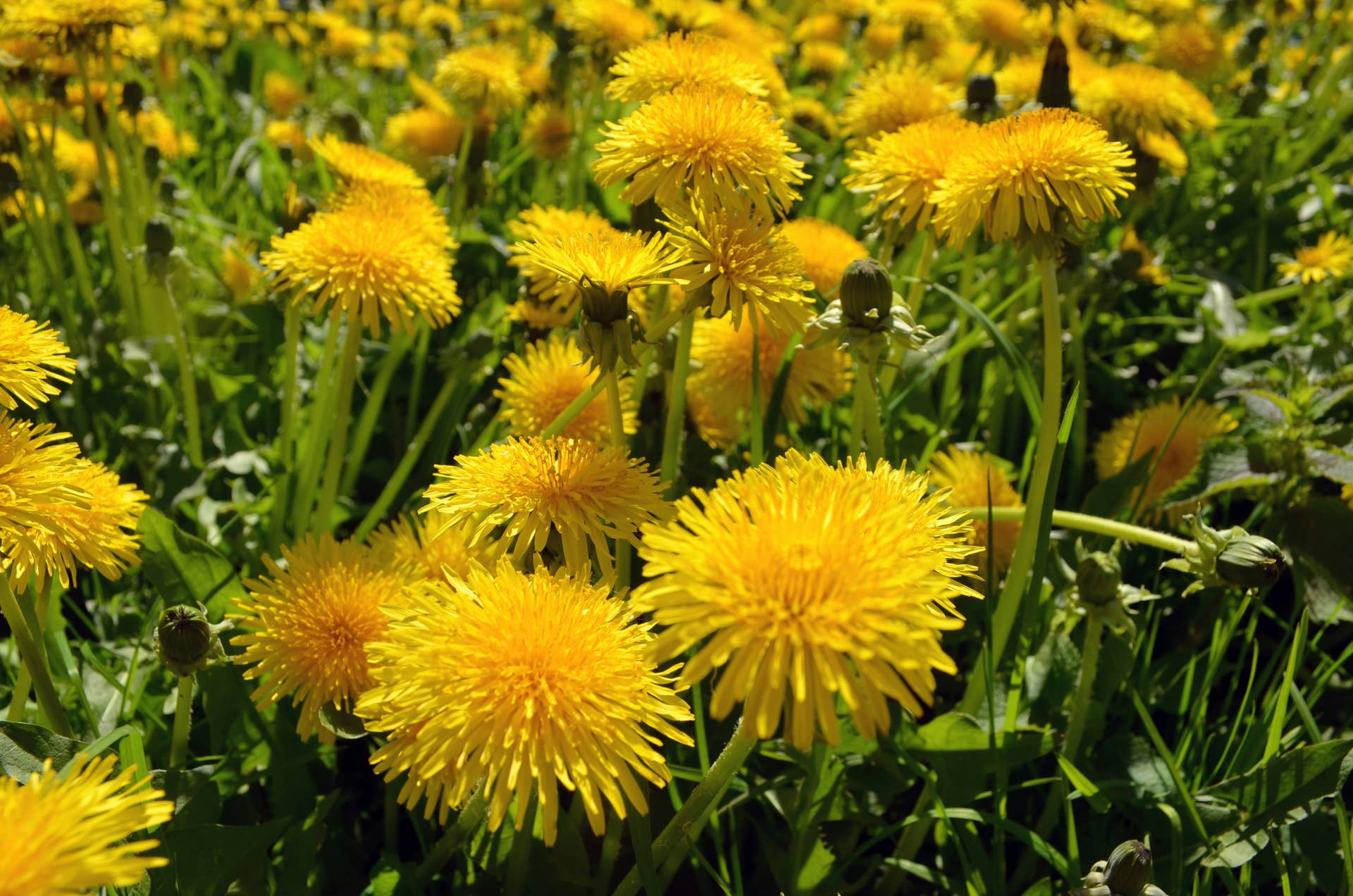
Every kid (and kid at heart) has spent many, many idle moments picking dandelions and blowing the fuzzy white seeds into the wind. The dandelion (Taraxacum officinale) remains one of the best known and most ubiquitous weeds in North America. Bright yellow flowerheads open on top of tubular stems that rise up from a rosette of deep green stemless leaves. A deep taproot allows the dandelion to grow in compacted soils. The tough and highly adaptable dandelion appears just about anywhere, from lawns and garden beds to sidewalk cracks and gravelly ditches. Despite its weedy presence in the landscape, many gardeners appreciate the dandelion for its medicinal qualities and the fact that it is edible.
Garlic mustard
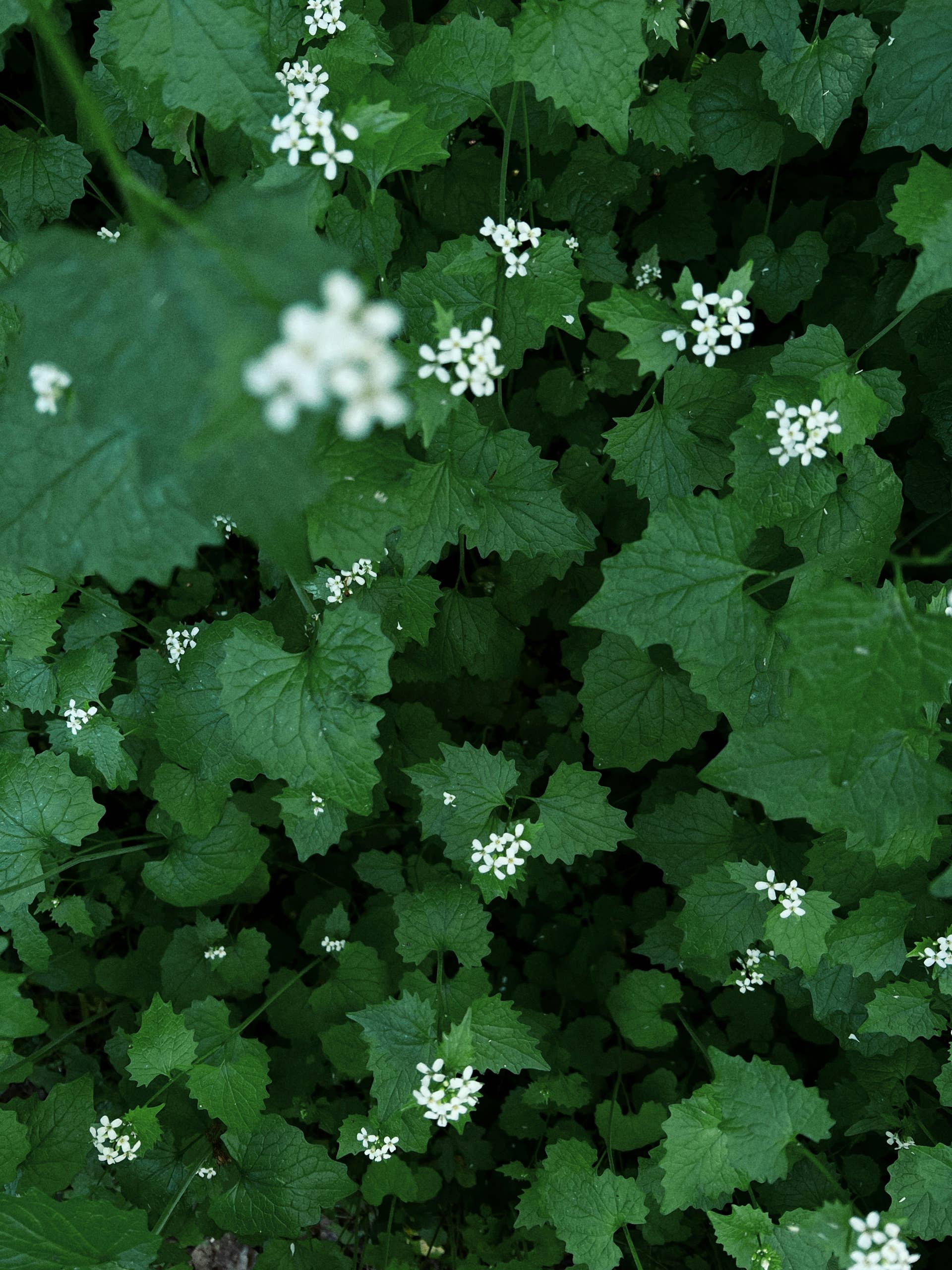
This fast-growing and early-emerging weed is a major headache for gardeners. In addition to its ability to colonize an area quickly, garlic mustard (Alliaria petiolata) is also allelopathic, meaning its roots release biochemical compounds that inhibit the growth of other plants into the surrounding soil. Biennial garlic mustard takes two full seasons to complete its life cycle. The first year, foliage has curved, scalloped edges, similar to that of ground ivy (see below). The following year, leaves have a sharper, more triangular shape, and extend up a 1-3 -foot tall stem. Clusters of small white flowers appear in early summer. Another unmistakable feature? This plant gives off a very garlicky odor when crushed.
Goutweed
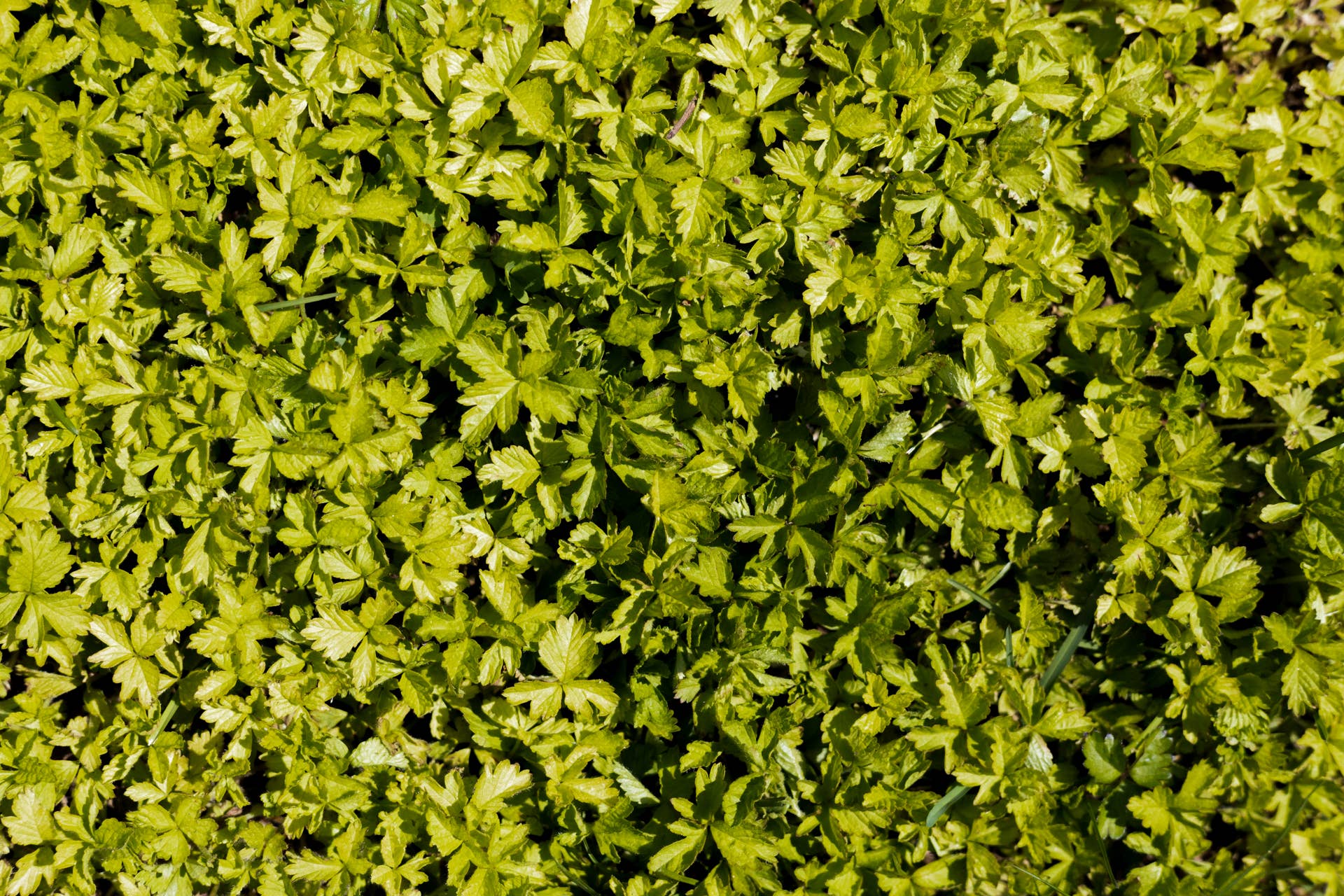
Goutweed (Aegopodium podagraria) is a tenacious nonnative plant that, despite being considered invasive in several states, is still sold by some garden centers. Also commonly called bishop’s weed, this perennial is recognized by its compound ternate (bearing three leaflets) leaves that are sometimes variegated. Umbrels bearing tiny white flowers resembling Queen Anne’s lace appear in early summer. Goutweed spreads by seed and rhizome, and its stems break easily, making it nearly impossible to completely remove this plant from the garden. Goutweed grows quickly, even in full shade, outcompeting other plants for light and space.
Ground ivy
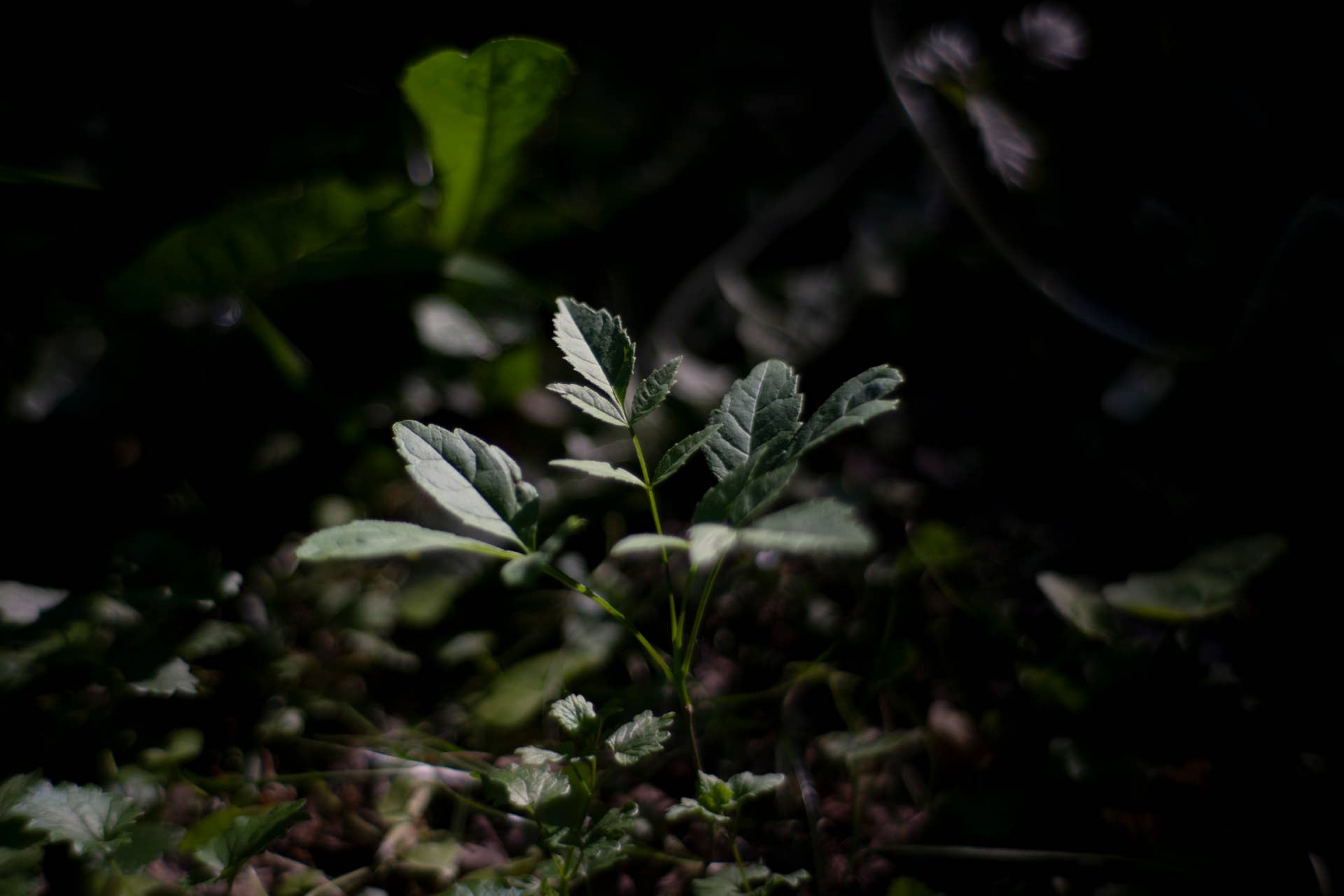
Ground ivy (Glechoma hederacea) looks nothing like English ivy, Irish ivy, or any of the other true ivies. This miniscule member of the mint family stands just a few inches tall and has scalloped dark green leaves and tubular blue-violet flowers. Like others in the mint family, it has square stems. Ground ivy, also commonly called creeping Charlie, is a semi-evergreen groundcover that spreads aggressively, particularly in shady, moist sites. This non-native weed can be difficult to eradicate completely from the garden or lawn.
Pineapple weed
Fruity-scented pineapple weed (Matricaria discoidea) is an incredibly widespread weed that is found in just about any location with full sun and nutrient-poor soils. Pineapple weed is native to parts of eastern Asia as well as the west coast of North America, however it is now ubiquitous in gardens, parking lot medians, lawn edges, and roadside ditches all across the continent. It tolerates compacted soils easily. In addition to its fragrance, this annual is identified by its globular yellow flowerheads that appear from late spring until fall. Finely feathered foliage surrounds short, branching stems that typically stand just a few inches tall.
Ragweed
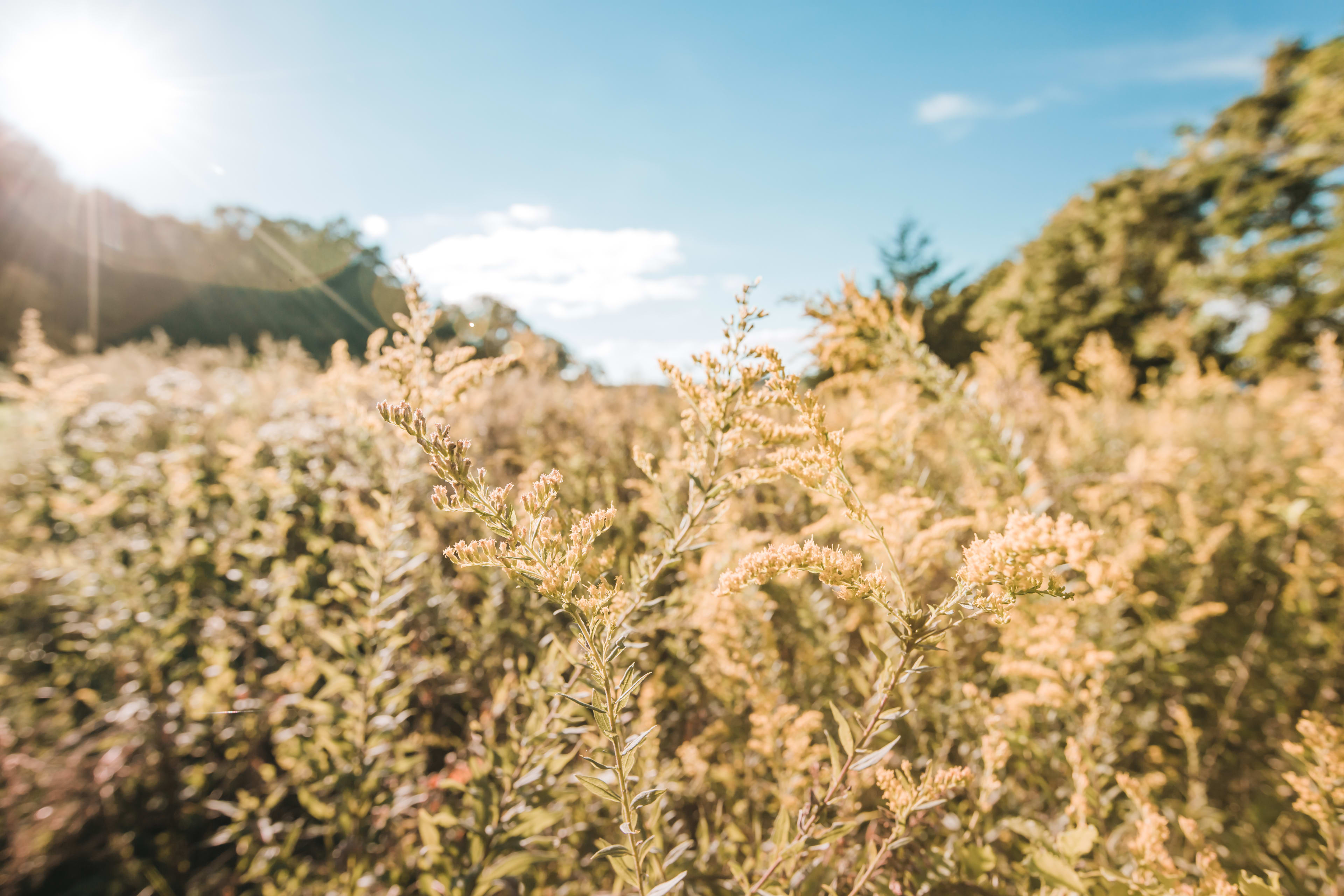
The offender behind much of the world’s seasonal allergies, ragweed (Ambrosia artemisiifolia) is known for its yellowish flowers, which release tons of pollen into the wind in late summer. A North American native plant, ragweed is typically found in grassy meadows, prairies, agricultural fields, and other open spaces, and seeds are easily dispersed into sunny garden beds as well. It tolerates dry conditions and gritty, nutrient-poor soil easily. Ragweed typically stands 2-4 feet tall, with heavily branched stems bearing deeply lobed foliage.
Yellow toadflax
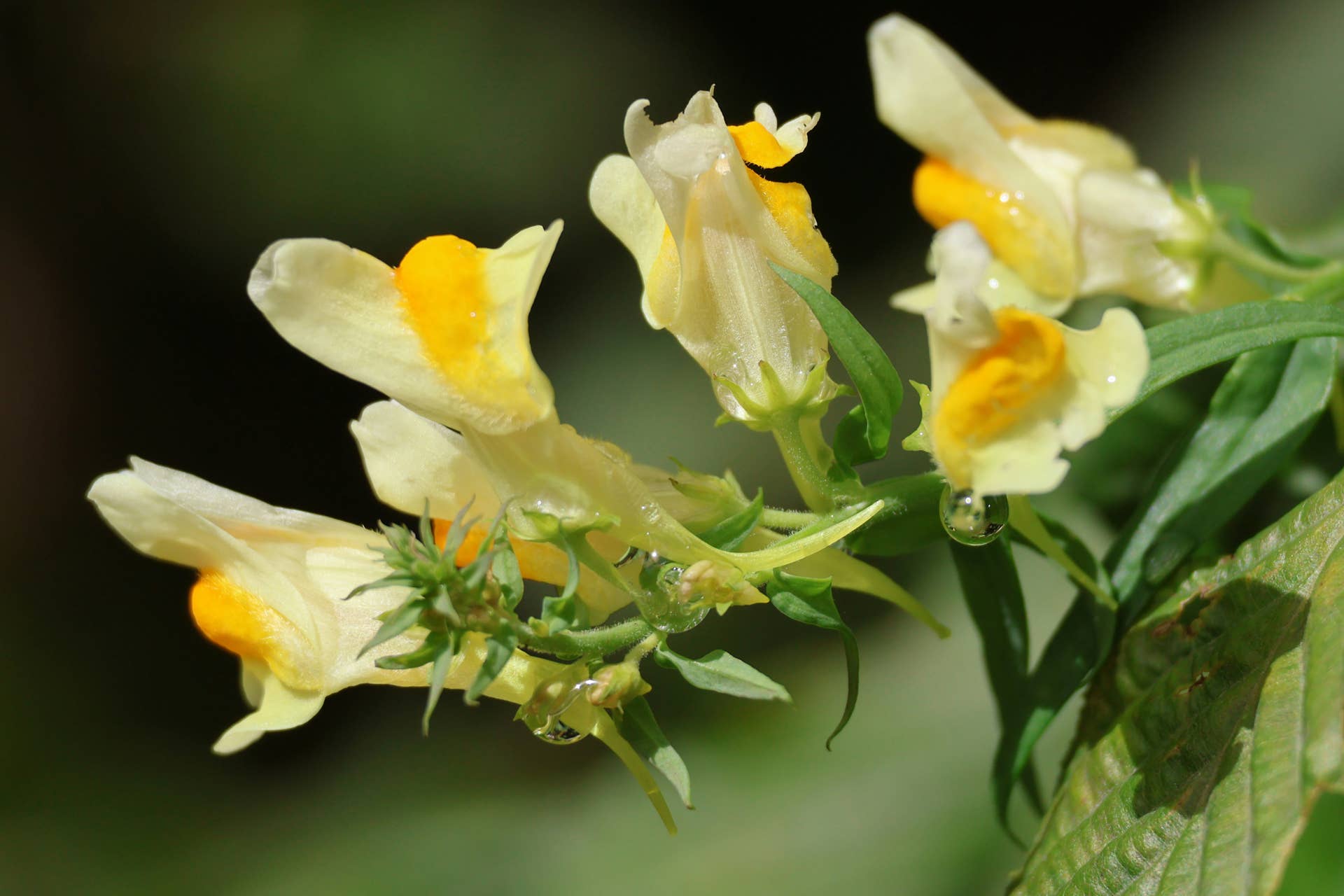
With flowers that resemble those of a snapdragon, yellow toadflax (Linaria vulgaris) certainly doesn’t look like an irksome weed. However this perennial is classified as an invasive noxious weed in several U.S. states and is mildly poisonous to grazing livestock. Yellow toadflax has narrow, blue-green leaves emerging from 1-2 -foot tall stems. Clusters of yellow and pale orange flowers give this plant its other common name: “butter and eggs”. Yellow toadflax thrives in well-drained, gravelly or sandy soil. Gardeners will likely find this plant growing in warm, full sun locations.