Emerald Fennell’s Wuthering Heights ending is actually SO much more tragic than the book
There’s one huge change.
Ever since the first trailer dropped, the internet has been arguing about how loyal the new Wuthering Heights film will be to the original novel by Emily Brontë, especially to the ending.
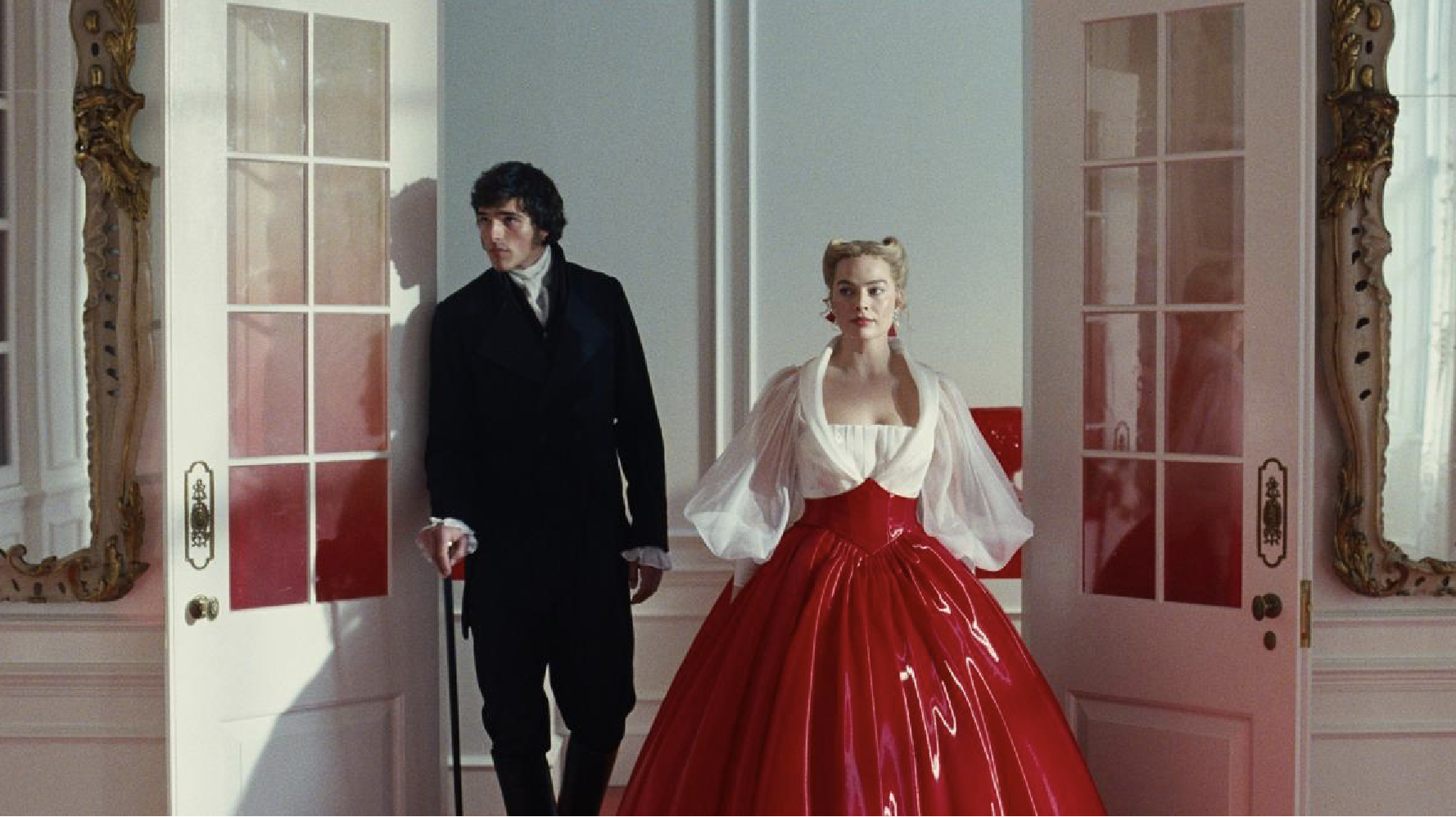
Starring Margot Robbie and Jacob Elordi, the adaptation has already sparked debate thanks to its avant-garde costumes, bold casting choices, and the mysterious quotation marks around the film’s title.
The director has described the film as a personal remembering of the story rather than a strict adaptation. That approach becomes most obvious in the final act, where the narrative shifts away from the arc that defines the original book.
Spoilers ahead!
Warner Bros
How the film’s ending changes Catherine’s fate
In both the novel and the movie, Catherine Earnshaw spirals into self-destruction and ultimately dies, but the similarities mostly end there.
In the original story, Catherine gives birth to a daughter, Cathy, whose life becomes a central part of the narrative moving forward. The next generation, including Hareton, the son of Isabella and Heathcliff, represents a chance to break the cycle of revenge and trauma.
In the film, Catherine dies without giving birth, completely removing the future-focused storyline that exists in the novel. Instead, the narrative centres on her isolation and illness after Heathcliff marries Isabella. She locks herself away, starves herself, and becomes increasingly unwell. Letters sent by Heathcliff never reach her after Nelly burns them, and Catherine ultimately miscarries and declines rapidly.
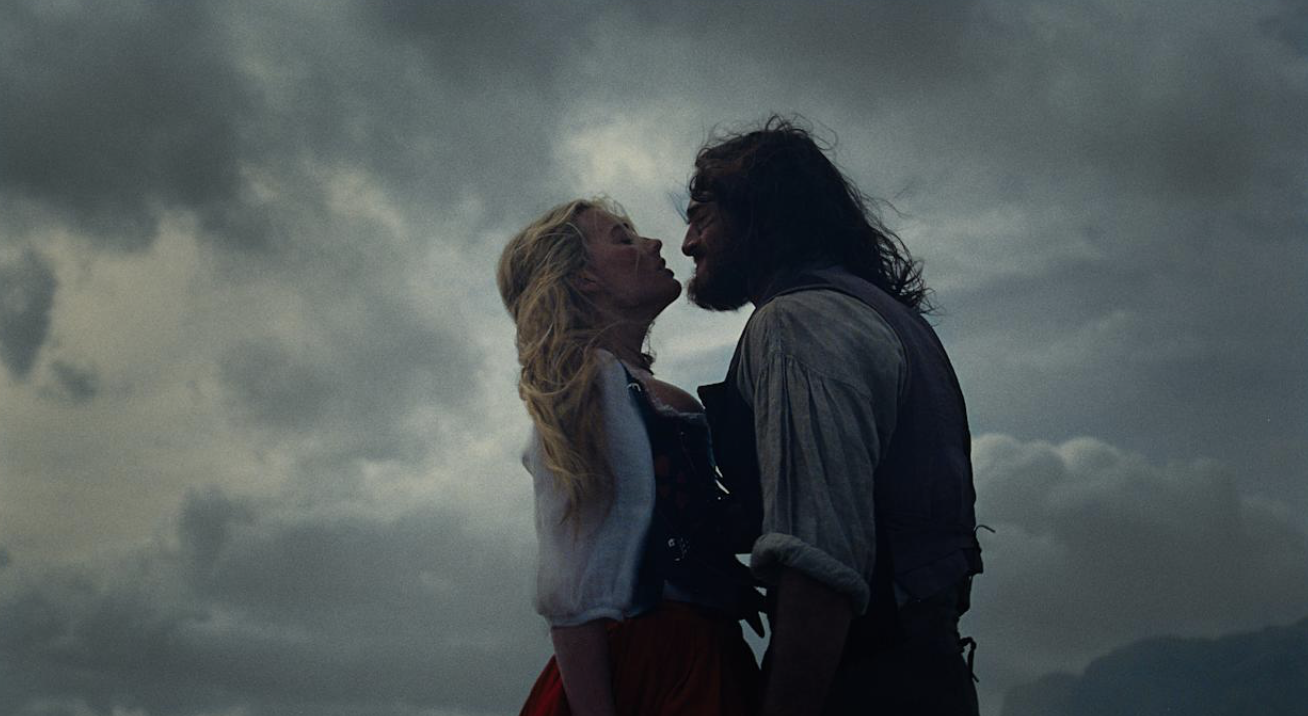
The film’s most emotional sequence comes when Heathcliff rushes to say goodbye, only to arrive too late. He holds Catherine’s body and begs her ghost to haunt him forever, sealing the adaptation’s darker and more intimate tone.
Warner Bros
The novel’s ending is much bigger, and more hopeful
The book’s final chapters go far beyond Catherine’s death. Heathcliff himself eventually dies after becoming obsessed with reuniting with Catherine in the afterlife, refusing food and wandering the moors in a haunted state.
Meanwhile, the younger Cathy and Hareton fall in love, symbolising healing and a hopeful future. Their planned move to Thrushcross Grange marks the end of the novel’s generational conflict and abuse cycle. In the closing scene, narrator Mr. Lockwood reflects on the peacefulness of the graves of Heathcliff, Catherine, and Edgar, a surprisingly calm and reflective ending for such a turbulent story.
In short, the novel ends with healing and the promise of peace. The film ends with heartbreak, obsession, and a final, devastating farewell.