SAN FRANCISCO — As Super Bowl LX approaches, alcohol brands are launching one of the most aggressive marketing offensives in recent years, turning the Big Game into a high-stakes battleground for cultural relevance, consumer loyalty, and billions in brand equity.
The Super Bowl, scheduled for February 8, 2026, remains one of the few mass-media events capable of drawing a truly unified audience in a fragmented digital era. With 30-second advertising slots reportedly costing around $8 million, brands are not merely advertising—they are competing for cultural dominance in a single night that can define marketing strategy for the year ahead.

Anheuser-Busch’s Multi-Brand Blitz Signals a Return to Advertising Supremacy
Anheuser-Busch, long the Super Bowl’s most dominant advertiser, is once again mounting a multi-brand campaign featuring Budweiser, Bud Light, and Michelob Ultra. The brewer’s strategy blends nostalgia, celebrity-driven humor, and sports patriotism—three pillars historically proven to capture mass audiences during the event.
Budweiser’s flagship commercial taps into American heritage and national identity, aligning with the brand’s 150th anniversary and broader patriotic storytelling. Bud Light leans into celebrity spectacle, while Michelob Ultra ties its messaging to elite athletes and the global sports calendar, reinforcing its association with performance and wellness.
Vodka and Tequila Brands Escalate the Competition with Social-First Campaigns
Beyond beer, spirits brands are escalating their presence, signaling how competitive the alcohol category has become since exclusive beer advertising privileges ended years ago.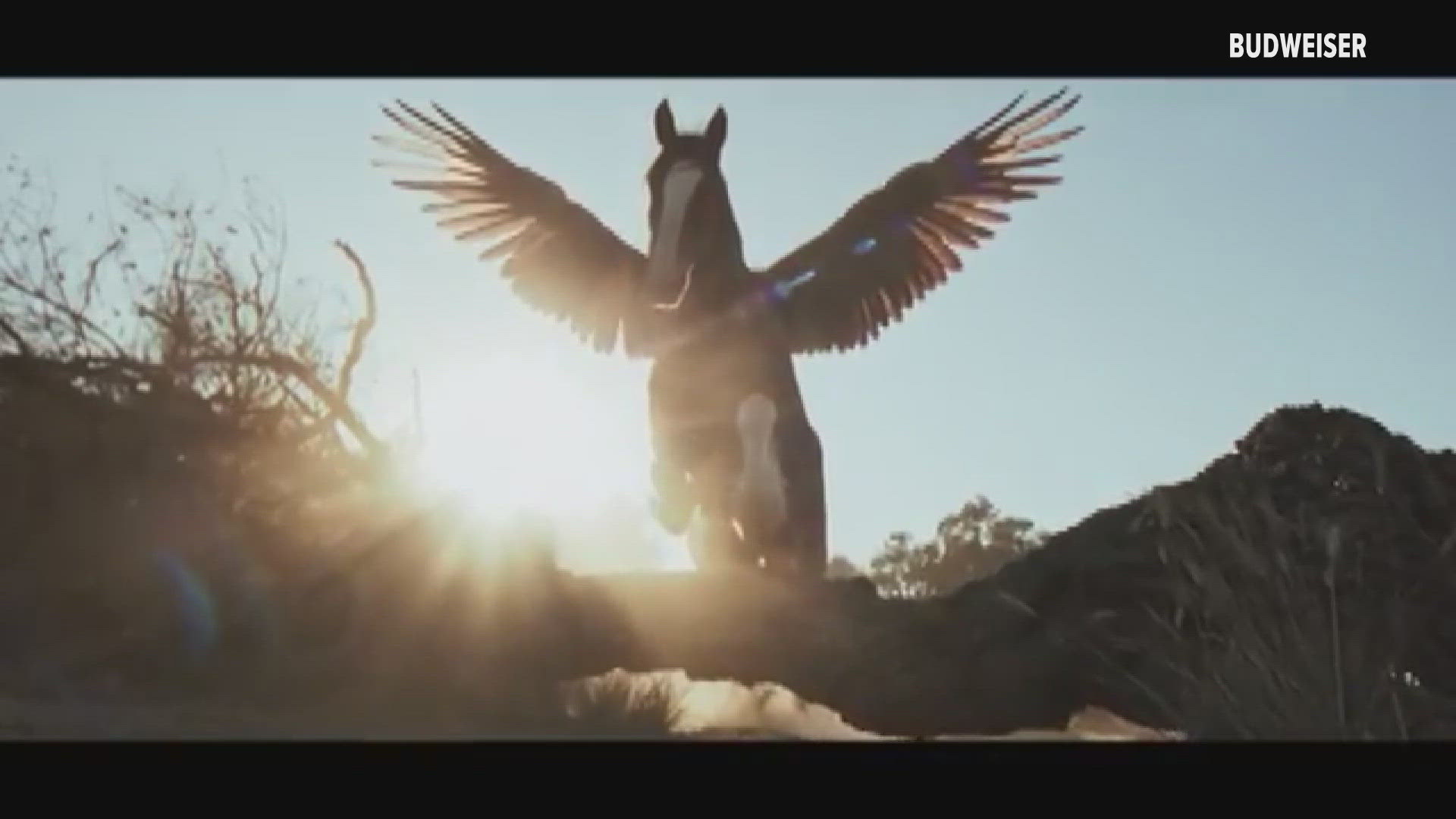
Svedka Vodka is making its first-ever Super Bowl debut with an AI-themed dancing-robot campaign designed to thrive on TikTok and other social platforms, reflecting the growing importance of meme-driven marketing.
Tequila Don Julio is launching a multi-episode social series centered on Latino culture and game-day rituals, capitalizing on the cultural moment surrounding Bad Bunny’s historic halftime performance. Meanwhile, Smirnoff is bypassing traditional TV advertising altogether, focusing on fashion drops and experiential activations to capture attention during Super Bowl weekend.
The Super Bowl as a Marketing Laboratory for the Year Ahead
Industry strategists describe the Super Bowl as a large-scale experiment where brands test storytelling frameworks, celebrity influence, and platform integration at unmatched scale. Campaigns are increasingly engineered for social shareability, not just broadcast impact, as marketers seek to extend conversation far beyond game day.
In a media environment dominated by short-form video and fragmented audiences, the Super Bowl remains one of the last moments when brands can command national attention simultaneously—making the stakes higher than ever for alcohol companies fighting for cultural relevance.