Understanding the “Zombie Game” in Alice in Borderland Season 3: A Mind Game with 100% Victory Rate for Zombies
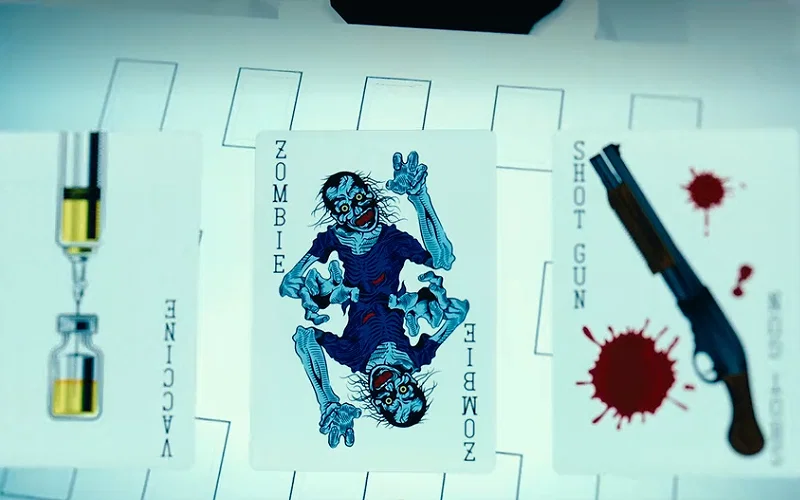
The Zombie Game in Alice in Borderland Season 3 has left many viewers puzzled, but the mechanics of the game are actually far more intricate than they may appear on the surface. At first glance, the game seems like a typical card-based contest, but in reality, it’s much more akin to a “Werewolf”-style game of deception. A deeper look at the rules and psychology of the game reveals a 100% winning chance for the zombies—if played correctly. Here’s why.
The Basics: It’s Not Just a Card Game, It’s a Game of Lies
The Zombie Game might appear to be just another card game, but it shares more similarities with the “Liar Game” or “Werewolf” than most fans realize. While players draw cards and attempt to defeat their opponents by having the highest points, the key to understanding the game lies in the psychological element, not the cards themselves. This isn’t a game where simply collecting the highest point card guarantees victory. The real challenge is much more about deception and hiding your identity.
The main goal for the “zombies” in this game is to avoid revealing their true identity, as anyone who is discovered to be a zombie will be eliminated. In this game, everyone holds a “hunting rifle” card—one that allows them to eliminate others—and a “vaccine” card, which can be used to save a human. However, only the zombies know who the humans are, while the humans remain in the dark about who the zombies are.
The rules create a deadly paradox: if you reveal yourself as a zombie, you are immediately targeted and eliminated, but if you act too suspiciously, others will guess you’re a zombie and eliminate you first. The key to winning lies in manipulating human psychology and controlling the narrative.
The Psychology Behind the Game: Zombies Have the Upper Hand
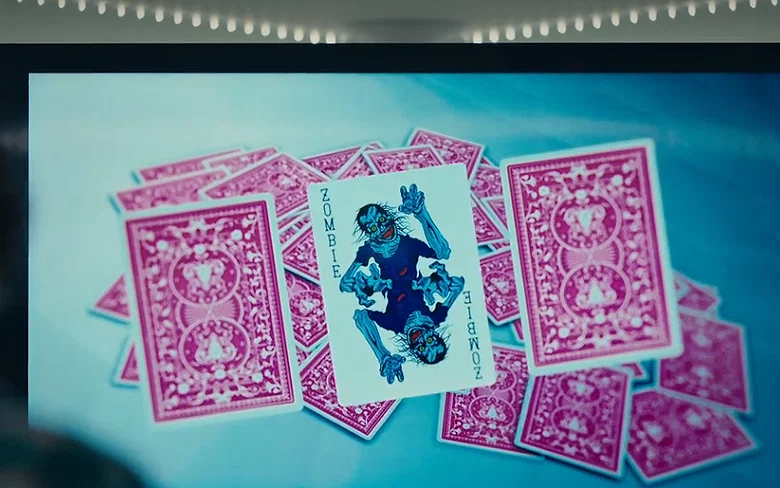
The biggest advantage zombies have in this game is that, while humans have weapons (the rifles), the humans do not know who the zombies are. The only way to identify a zombie is through the act of shooting them, but doing so risks wasting a valuable weapon. After all, if a human shoots the wrong person, they lose their only chance of defense. Therefore, humans must rely on their instincts, but in a game of lies and deception, instincts are often wrong.
The psychology of the human players plays right into the zombies’ hands. The zombies can stay silent, blend in, and manipulate the game’s flow, making it impossible for the humans to know who is trustworthy. If humans start accusing each other, they risk giving away their own identities or revealing the wrong person as a zombie.
In essence, zombies are playing the long game: they infect humans one by one, all the while knowing exactly who is who. The humans, on the other hand, are left in the dark, unsure of who to trust.
The “Zombie Game” Mechanics: A Mathematical Breakdown
Let’s break down how the game works using a theoretical model. Suppose there are 40 players in the game—4 of whom are zombies. Each player has one “hunting rifle” card, which they can use to eliminate others. The first round sees the 4 zombies infect 4 more humans, doubling their number. Now there are 8 zombies and 32 humans.
Humans are still unaware of the true zombie count, and in their attempts to shoot zombies, they end up eliminating innocent humans. By the second round, the zombies have infected 6 more humans, bringing their total to 12. At this point, the number of humans continues to dwindle, as the zombies grow in strength and influence.
Eventually, in the third round, the number of zombies reaches 18, while the remaining humans are down to only 17. At this stage, the zombies win the game. This mathematical progression illustrates the unbalanced nature of the game: as the zombie population grows exponentially, the chances of humans winning become slimmer with each passing round.

The “Virus” Spread: A Clever Game of Infiltration
What makes the Zombie Game truly fascinating is how it mirrors real-life social dynamics. It’s a game of trust and deception, with players constantly second-guessing each other. Unlike traditional card games, where victory is determined by the best hand, this game’s winner is determined by psychological manipulation and strategy. As the zombie group grows, they become an unstoppable force—infecting humans and ensuring the eventual collapse of the human alliance.
A key feature of the game is that it forces humans into a defensive position. They are always on the back foot, unsure of who to trust. The psychological pressure builds as they try to balance their own safety with the suspicion of those around them. The zombies, on the other hand, can quietly manipulate the situation and gain the upper hand with each new infection.
The Ultimate Strategy: Silence Is Golden
The ultimate strategy for the zombies is to remain silent, blend in, and never reveal their identity. By doing so, they force the humans to make decisions based on limited information. When a human player does eventually guess a zombie, it often turns out to be wrong, wasting their shot at survival. As the number of zombies increases, so too does the tension among the humans.
The game’s structure creates an almost unbeatable scenario for the zombies. They know who the humans are, but the humans are kept in the dark, relying on gut instincts and limited clues. The psychological game of Alice in Borderland Season 3’s Zombie Game is a perfect example of how deception can be more powerful than any weapon.

Why Humans Can’t Win: The 100% Zombie Victory Rate
While the odds seem stacked against humans, the game’s mechanics make it clear that zombies have a 100% win rate, provided they play smart. With their ability to silently spread the infection and the humans’ inability to identify them, the zombies are always in control. Even if a few humans manage to survive a round, they will eventually be outnumbered by the growing zombie faction.
This is what makes the Zombie Game so brilliant: it’s not just a game of survival but one of social manipulation, where the winner is determined not by strength, but by the ability to deceive others into playing into their hands. By controlling the narrative and staying under the radar, the zombies ensure their victory every time.
Conclusion: A Game of Deception and Survival

The Zombie Game in Alice in Borderland Season 3 is not just a simple card game—it’s a masterclass in deception, psychology, and strategy. With a 100% win rate for zombies if played correctly, the game forces players to question everything, trust no one, and rely on their wits to survive. As viewers, we’re left with the realization that in a world built on lies and secrets, it’s not always about being the strongest—it’s about being the best liar.
For anyone who thought this game was just a standard card match, it’s time to rethink. The Zombie Game is far more than that—it’s a psychological war, and the zombies have already won.