Fact Check: No, Alex Eala Did Not Sign a $45 Million Endorsement Deal With Wilson

The rumor was almost too good to be true: a young Filipina tennis star, fresh off her maiden WTA triumph, pocketing a staggering $45 million endorsement deal with one of the biggest brands in the game.
This week, social media lit up with claims that Alexandra “Alex” Eala, 20, had agreed a mega-deal with Wilson Sporting Goods, the American manufacturer synonymous with tennis rackets and global champions. The story had all the ingredients of a feel-good sensation — rags to riches, national pride, and the fairytale rise of an athlete who has already rewritten history for Philippine sport.
But the truth is far less glamorous: the claim is false.
The Viral Post
The hoax originated from a Facebook post that rapidly spread, attracting more than 13,000 reactions, 1,200 comments, and hundreds of shares. It purported to quote Eala as saying:
“Thank you for trusting me, but I will take that money and use it for something that truly helps others, because many people need it more than me, and I want the Philippines to continue to grow stronger.”
The post even included a photo of Eala alongside Joe Dudy, the former president and CEO of Wilson, adding a veneer of credibility. Excited fans rushed to congratulate the tennis prodigy, believing she had both accepted and promised to use the money for altruistic purposes.
The problem? No such deal exists.
No Evidence, No Announcement

Fact-checkers quickly tore the claim apart. There has been no official announcement from Wilson Sporting Goods, no press release in the international tennis media, and no confirmation on Eala’s verified social media accounts.
Not one reputable outlet has reported on a partnership of that scale. Even the alleged charity remarks attributed to Eala cannot be found in any official interview or statement.
Independent watchdog Vera Files had already flagged a similar claim on September 12, debunking another viral post about the supposed deal. Rappler, meanwhile, published a fact-check earlier in July to counter yet another piece of misinformation — that Eala had donated ₱3.9 million to homeless senior citizens in Quezon City after a tournament in Eastbourne.
A Pattern of Disinformation
This is not the first time Eala has become the target of internet hoaxes. Her rapid rise has made her a magnet for false stories — often painting her as either the benefactor of improbable charitable acts or the recipient of outlandish financial windfalls.
Earlier this week, Rappler also debunked a viral post claiming Eala donated $10 million to a children’s health charity fund after winning the Guadalajara Open. That claim, too, was entirely fabricated, and the supposed charity did not even exist.
Experts say the repetition of such false claims reflects a broader problem: young athletes, especially those from developing countries, are increasingly exploited in misinformation campaigns designed to harvest clicks, likes, and shares.
Alex Eala’s Real Story
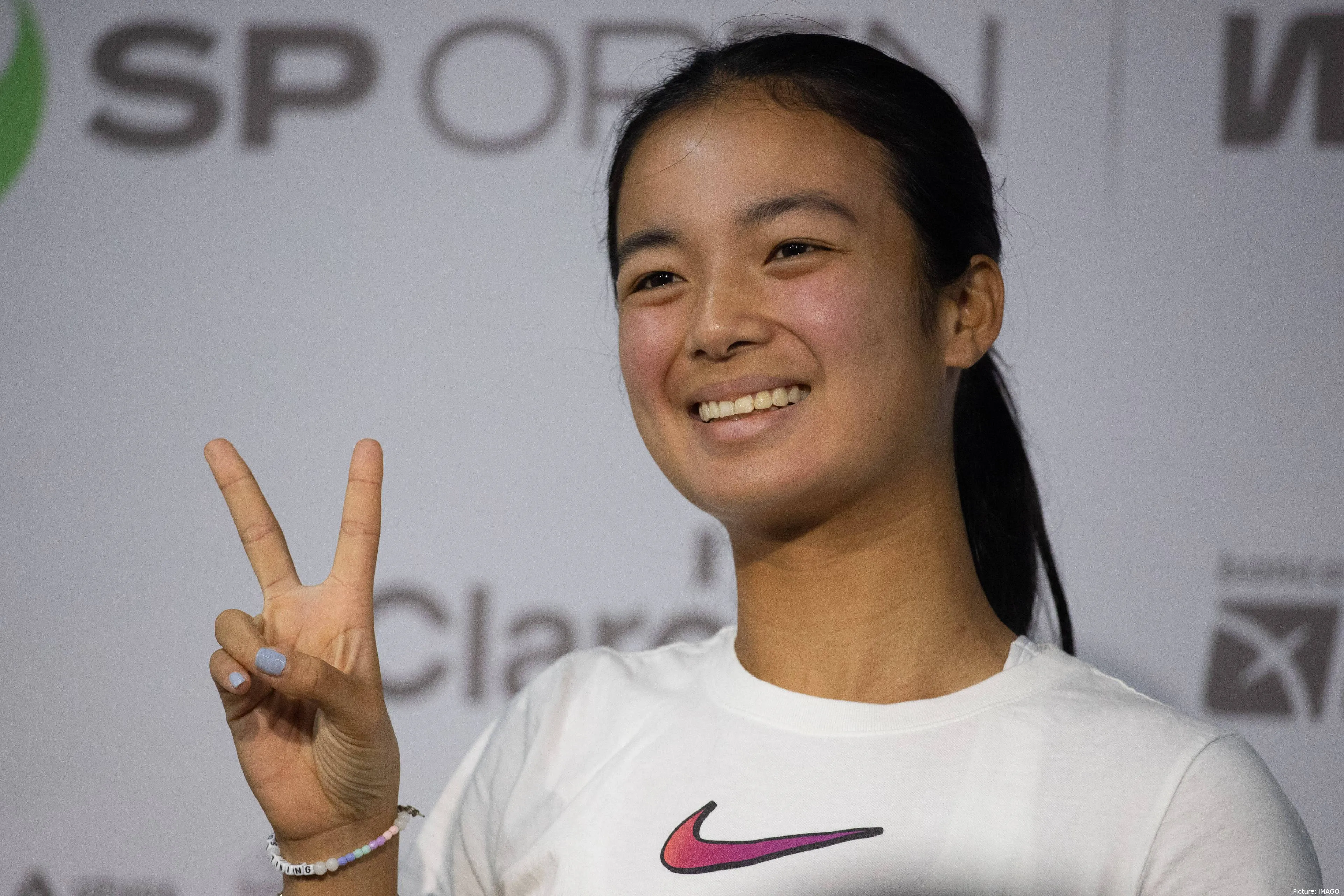
The truth about Eala’s journey is remarkable enough without embellishment.
-
In 2022, she became the first Filipino ever to win a Grand Slam junior singles title.
-
In September 2025, she lifted her maiden WTA title at the Guadalajara 125 Open in Mexico, a watershed moment in her burgeoning career.
-
Along the way, she has beaten some of the sport’s elite, including five-time major champion Iga Świątek and Australian Open winner Madison Keys.
Far from a social media invention, her ascent has been achieved through years of hard work at the Rafael Nadal Academy in Spain, relentless training, and the unwavering support of her family and coaching team.
Her Actual Sponsors
While the Wilson rumor is false, Eala does enjoy a growing portfolio of sponsorships and endorsements — though none approach the wild figures being circulated online.
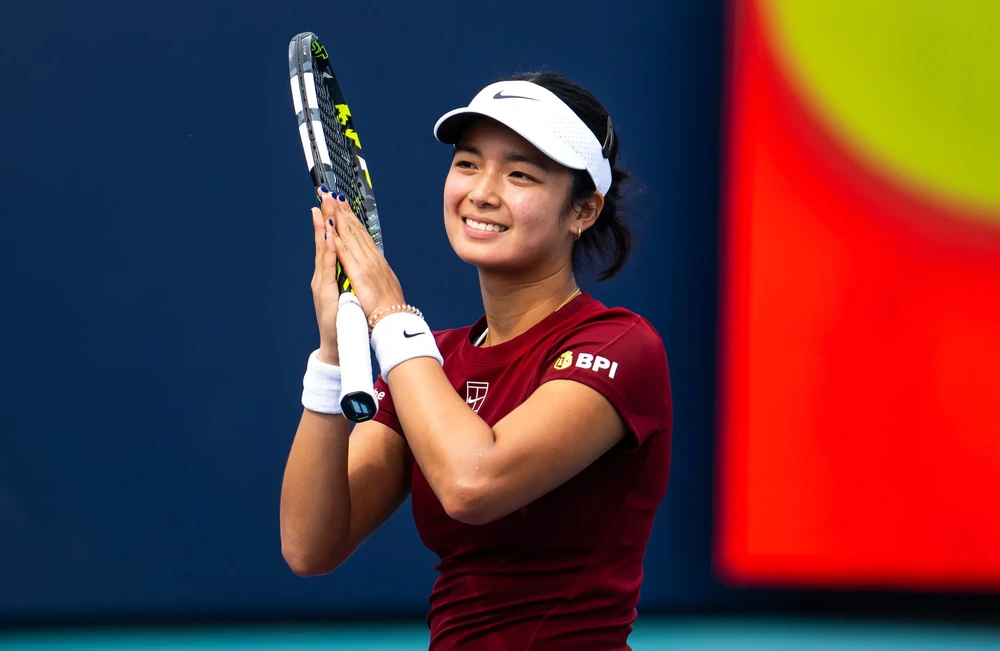
She is backed by major names including Nike, Babolat, Globe Telecom, and the Bank of the Philippine Islands (BPI). These partnerships reflect her status as a trailblazer for Filipino sport and a role model for young athletes, particularly in Southeast Asia.
Endorsement deals in tennis can indeed reach astronomical sums for established icons such as Roger Federer, Serena Williams, or Novak Djokovic. But for Eala, still in the early stages of her career, the idea of a $45 million deal with Wilson is simply unrealistic — and unsupported by any credible source.
Why It Matters
While some may dismiss such stories as harmless clickbait, they carry risks. False claims about enormous deals or phantom charities distract from genuine achievements and can distort public perception of an athlete’s career.
They also raise questions about accountability. By attributing fictitious quotes to Eala — including noble-sounding promises to use money for charitable purposes — the hoax risks misleading her fans, some of whom may feel betrayed when the truth emerges.
Moreover, creating bogus charities within these stories opens the door to potential scams, where unsuspecting readers may be encouraged to donate money to fraudulent causes.
The Bigger Picture
Eala’s case is part of a growing trend where the combination of sporting triumphs and viral social media provides fertile ground for misinformation.
In the Philippines, where sporting heroes are celebrated with national fervor, fabricated stories about donations or deals can spread at lightning speed. They tap into public pride and goodwill, making them especially difficult to combat.
Media literacy experts urge fans to be more cautious, to check for confirmation from credible news outlets or the athlete’s verified channels before sharing sensational claims.
The Verdict
So, did Alex Eala shock the world by signing a $45 million endorsement deal with Wilson?
The answer is simple: No, she did not.
The claim has been debunked by multiple fact-checkers, and there is no evidence whatsoever to support it. Instead, the story is yet another entry in a string of viral hoaxes that have tried to cash in on Eala’s growing fame.
What remains true is this: Alex Eala is a young woman making history for Philippine tennis, breaking barriers in a sport where her country has never before produced a global star. That story, on its own, is more than enough reason for celebration.