“It’s a Little Contradictory” – Novak Djokovic Calls Out Lack of Unity as He Addresses Alcaraz, Gauff & Swiatek’s Complaints Over Tennis Calendar
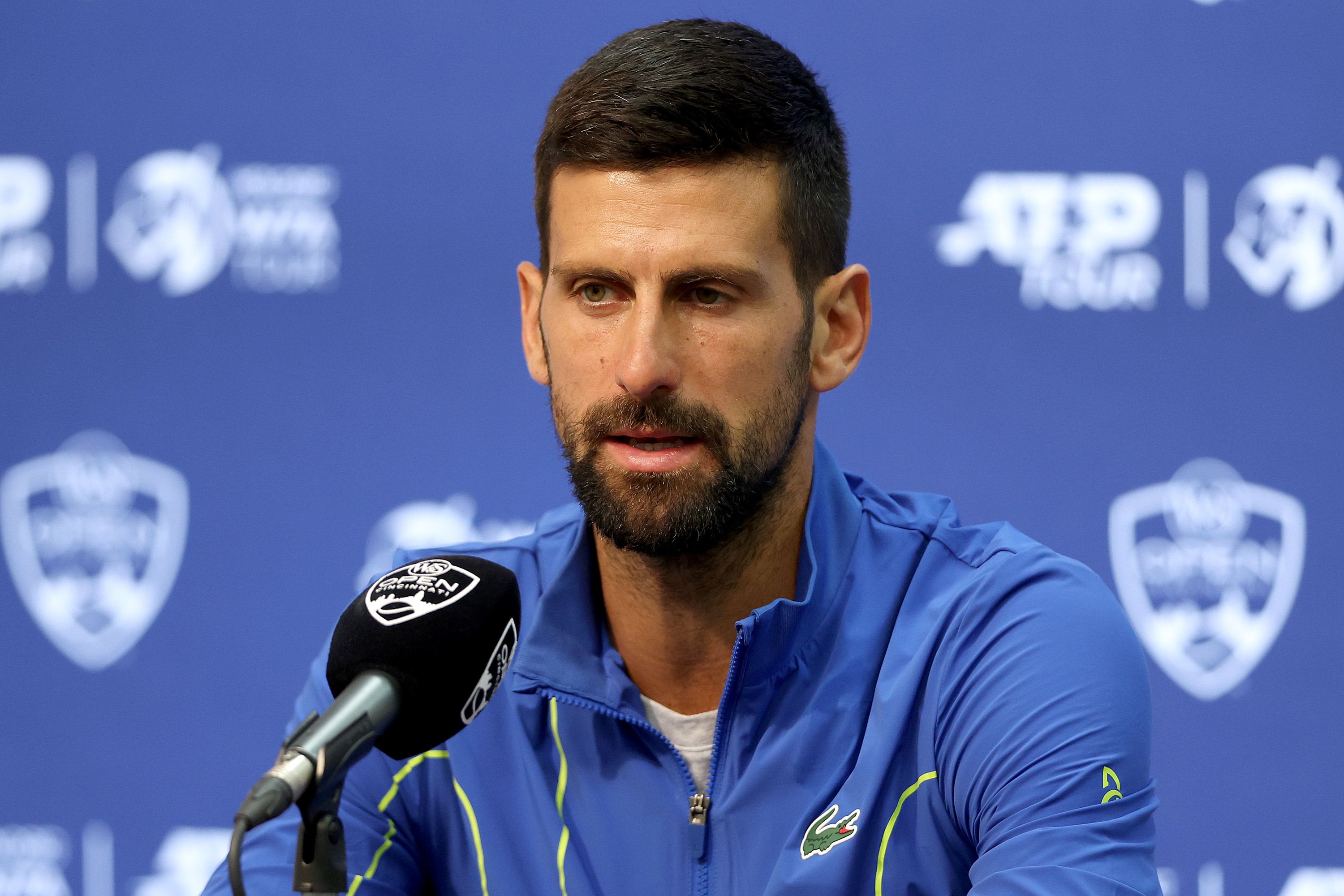
Novak Djokovic has once again positioned himself at the heart of tennis politics, this time weighing in on one of the sport’s most contentious debates: the congested calendar. The 24-time Grand Slam champion, who has spent more than two decades at the pinnacle of the game, suggested that while players like Carlos Alcaraz, Coco Gauff and Iga Świątek may complain about scheduling, their actions often tell a different story.
Speaking candidly to reporters ahead of his campaign in Asia, Djokovic said: “It’s an individual sport, so there are choices to be made. At the end of the day you can still make choices. I see some players maybe say there are rules imposed, etcetera. But there are rules imposed for bonus. So you can miss the bonus, but it’s the choice that you are willing to make if you want to play less. But then there are exhibitions as well that players are signing up for, so it’s a little bit contradictory.”
His comments appeared to take subtle aim at younger stars such as Alcaraz, who recently withdrew from the Shanghai Masters citing fatigue, only to later confirm participation in a series of lucrative December exhibition events in New Jersey, Saudi Arabia, and beyond.
Players’ Complaints – and Djokovic’s Response

In recent months, high-profile players have spoken openly about the toll of tennis’s relentless travel and match schedule. Coco Gauff, fresh from her US Open triumph, voiced concerns about the lack of recovery time between tournaments. Świątek has frequently complained about the mental and physical strain of balancing a packed calendar with mandatory WTA commitments.
Alcaraz, meanwhile, has echoed similar frustrations, highlighting the grind of the ATP season. Yet, as Djokovic noted, the same players often accept invitations to exhibitions, which provide appearance fees sometimes dwarfing their prize money earnings.
“In the end,” Djokovic continued, “as a player and someone that has been playing at the highest level for more than 20 years, I can say that the players are not united enough. You have to invest the time, you have to invest energy yourself – not your agent, not your team, not your parents – yourself, to dedicate yourself to understand how the system works, to understand what are the things that can be done to be reversed, to be improved in terms of the players’ interest.”
It was a stark reminder of Djokovic’s long-standing stance that true change in tennis can only come from collective action, something that, he believes, has never been achieved.
A Familiar Battle for Djokovic

Djokovic is no stranger to the politics of the sport. In 2020, he spearheaded the formation of the Professional Tennis Players Association (PTPA), an independent body designed to give players more negotiating power outside of ATP and WTA governance. The initiative divided opinion, with some players voicing support while others questioned its necessity.
Yet his recent remarks suggest he still sees a fundamental problem: that players too often put short-term interests ahead of collective strength.
The Serb’s use of the word “contradictory” was particularly pointed. To Djokovic, there is an irony in players lamenting a punishing schedule while simultaneously pocketing millions in off-season exhibitions.
“It comes down to choices,” he stressed. “If you truly feel overwhelmed by the calendar, then step back. But don’t then fill that time with exhibitions. That sends the wrong message.”
The Alcaraz Debate
Alcaraz’s situation has become symbolic of the debate. At just 22, the Spaniard is already one of the sport’s biggest draws. His electric style and charismatic presence ensure packed stadiums wherever he plays. But critics argue he is already following the commercial route taken by previous stars – playing lucrative events even while decrying a punishing tour.
Former coach and commentator Rennae Stubbs, once part of Serena Williams’s team, has already called him out: “It’s hard to take them seriously when they’re like, ‘yes, the schedule needs to be smaller,’ and then they go play exhibitions in the Miami suburbs. It’s a little inconsistent. That’s what makes me laugh.”
Djokovic’s words, though less barbed, echoed the same sentiment.
A Call for Unity

Beyond his critique, Djokovic’s central point was about unity – or the lack of it.
Tennis, unlike most professional sports, has multiple governing bodies: the ATP, WTA, ITF, and four independent Grand Slam organizations. This fragmented structure often leaves players with little influence. Djokovic has long argued that unless players stand together, their voices will be drowned out.
“Players are not united enough,” he lamented. “If you want to make changes, you need to be involved, not just complain. You need to educate yourself, dedicate time, and be willing to push for change together.”
His call resonates with the challenges of today’s game, where young stars seek balance between their careers, personal lives, and growing commercial obligations.
A Long Road Ahead
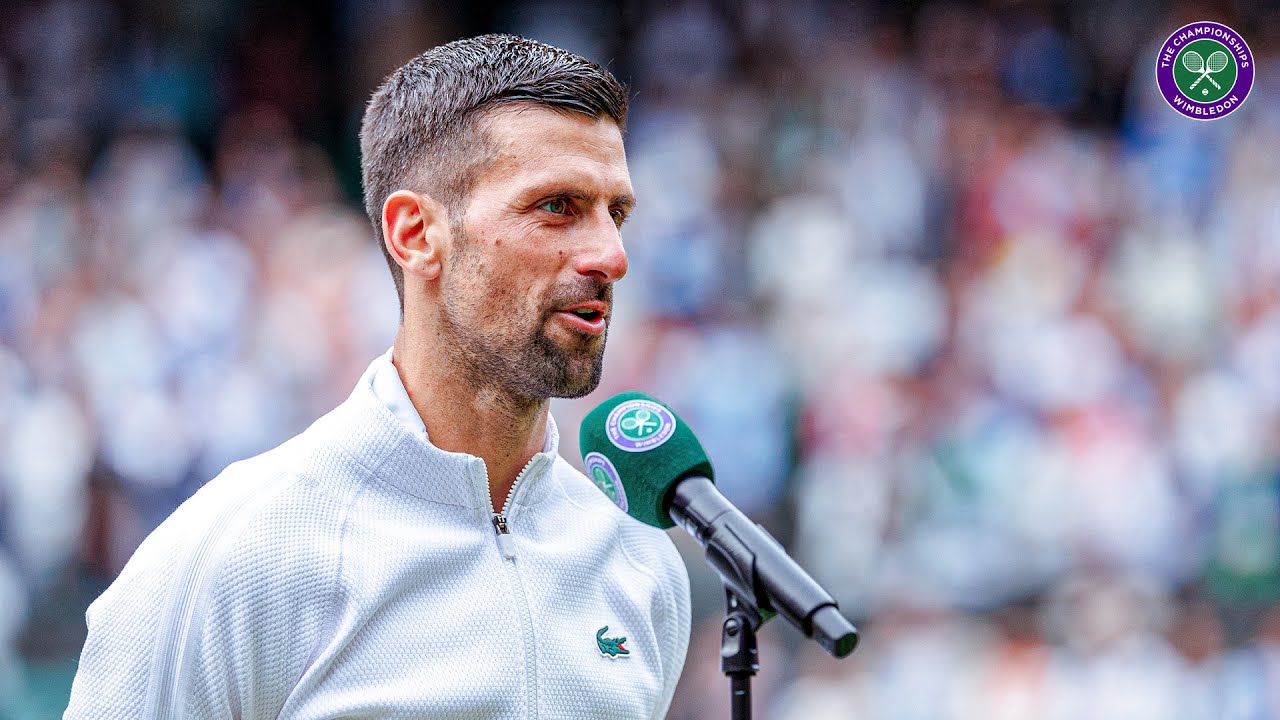
For all Djokovic’s authority, the issue is unlikely to be resolved quickly. The ATP and WTA calendars remain packed, driven by television rights, sponsorships, and the financial demands of tournaments worldwide. Exhibitions, meanwhile, continue to thrive because they are low-pressure, high-paying opportunities for players to connect with fans outside the grind of the tour.
But Djokovic’s comments add weight to a simmering conversation. If even tennis’s biggest names cannot agree on whether the schedule is sustainable, how can the sport move forward?
For Djokovic, the answer lies not in fragmented voices, but in unity: players taking responsibility, setting priorities, and standing together. Whether his younger rivals heed that call remains to be seen.
Conclusion
Djokovic’s remarks highlight a tension at the very heart of modern tennis: the clash between the physical demands of a gruelling tour and the financial temptations of off-court exhibitions. By addressing Alcaraz, Gauff, and Świątek directly – without naming them outright – he has thrown down a challenge to the next generation.
“You can’t have it both ways,” his message seemed to imply. If you want change, stop being contradictory – and start being united.
The ball, it seems, is now firmly in their court.