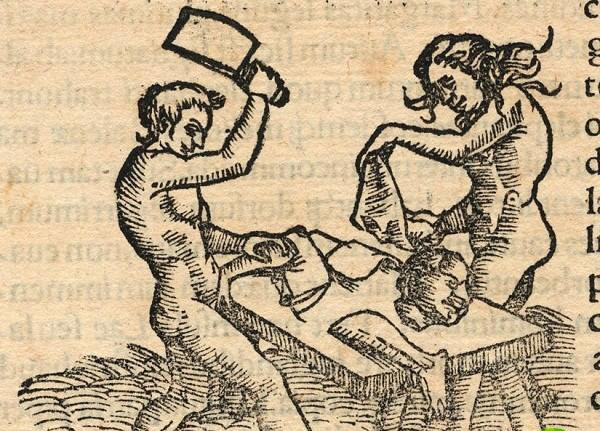
The Aztec tribe in Central America has long struck fear into us due to their ritual of cannibalism during sacrifices to the Sun God. Yet historically, this was not an isolated or unfamiliar phenomenon. Throughout history, many cases of cannibalism have been recorded—driven by cultural customs, the struggle for survival, or even mysterious illnesses—where humans consumed those around them.
Human Cannibalism and Scientific Explanations
True Accounts
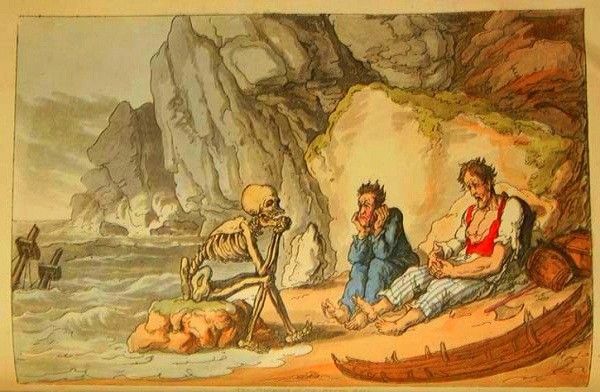
In the West, as early as the 18th and 19th centuries, seafarers had an unwritten agreement known as the “drawing of lots”—a grim survival game. According to this custom, if fishermen or sailors became stranded at sea with no means of sustenance, they would draw wooden sticks.
Whoever drew the shortest stick would become dinner for the others. At the time, when material conditions and science had not yet developed, such desperate measures were accepted as part of the risk of life at sea.
In the late 19th century, the United States frequently witnessed conflicts and clashes between Western settlers and Native American tribes. Growing up in such a turbulent time, John Johnson became infamous under the nickname “Liver-eating” Johnson. He earned this grim title after his Native American wife was killed by a member of the Crow tribe.
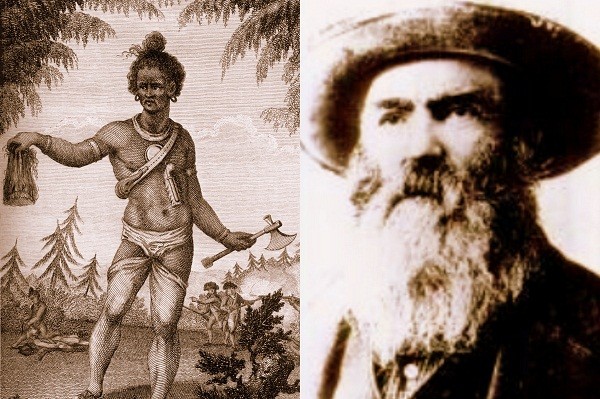
To avenge his wife’s death, Johnson ruthlessly slaughtered members of the Crow tribe. It is recorded that he killed around 300 Crow individuals, consuming their livers or other body parts raw shortly after killing them.
The story of the “Colorado Cannibal” is another striking example. Alfred Packer served as a guide for a six-man expedition into Colorado.
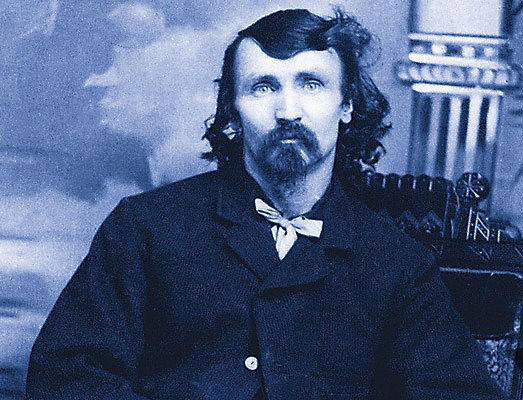
During the expedition, all members went missing due to a snowstorm, with only Packer surviving to tell his chilling and tragic tale. He claimed that, when they were trapped and unable to find food, Israel Swan—the oldest member of the group—was the first to die due to weakness.
In order to survive, the remaining members were forced to eat his flesh. Following this, Humphrey and Miller—two other members—also passed away, and their bodies met the same grim fate.
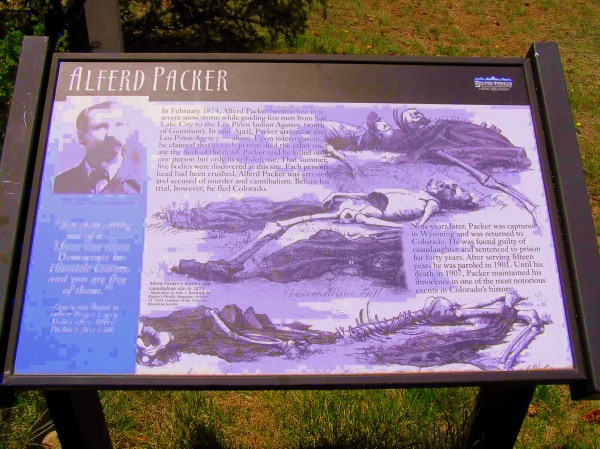
With only three people remaining, Shanon Bell shot Noon to have his flesh for food. Shanon also intended to kill Packer, but he failed. In self-defense, Packer accidentally killed Shanon Bell. With the food from the bodies, Alfred Packer was able to survive.
During World War II, Major General Joshio Tachibana of the Imperial Japanese Army, along with 11 other officers, was convicted for cannibalism. In August 1944, they decapitated two American pilots on Chichi Jima Island, part of the Bonin Islands.
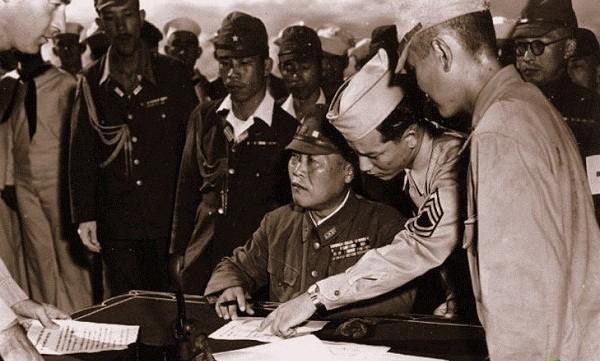
General Yoshio Tachibana surrendered to the Allied forces on Chichi Jima Island.
After killing their victims, the Japanese officers ate the flesh and organs of the two American soldiers. Additionally, Vice Admiral Mori and General Matoba of Japan also admitted to consuming the flesh of five other American pilots in February 1945.
Scientific Explanation…
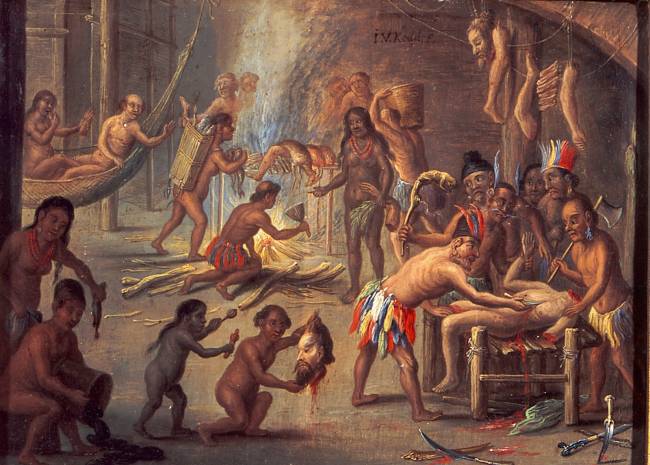
The stories above demonstrate that cannibalism is not an isolated or unique phenomenon. Cannibalism has a clear origin.
Archaeologists have discovered numerous pieces of evidence of cannibalism from the ancient times of Neanderthals. For example, human bones have been found with cut marks identical to those made when butchering meat for consumption, as well as signs of massacres between tribes. These are clues that help us study the lives of our ancestors thousands of years ago.
Thus, just like other species, there remains a “beastly” part in our ancestors alongside the “human” side. In addition to cultural factors, sometimes for survival, we were forced to resort to eating others.