When it comes to sprucing up your home, adding color, texture and liveliness to your space is essential. Houseplants do just that, reviving rooms with life that changes before your eyes. Houseplants may not have the air purifying qualities we once thought, but their benefits to mind, body and space are irrefutable.
“I find the act of tending to plants meditative,” says Ashley Nussman-Berry, founder of the Black Planters Facebook group. “It provides a moment of mindfulness that helps me reconnect with myself while dealing with the chaos of daily life.”
The best indoor houseplants aren’t just aesthetically pleasing. In 2022, researchers in the Department of Landscape Architecture at National Chin-Yi University of Technology in Taiwan analyzed 42 studies about houseplants and reported the myriad ways in which plants can have a positive effect on mental health, including stress reduction and improved focus. Many varieties, including snake plants and rubber trees, are even known to be great feng shui plants, which can add positive energy to your space.
If you’re nervous about taking on the added responsibility of a houseplant, there are plenty of potted companions that don’t require too much work to keep them alive and thriving. To find the one that’s right for you, browse through our list of best indoor plants for health.
Philodendron Plant

Philodendron plants, known for being low-maintenance, can thrive indoors if given the proper amount of sunlight and water. Philodendrons prefer indirect light and can grow in average home temperatures, making them easy to care for. There are plenty of different kinds of philodendron plants to choose from, including birkin philodendrons, heartleaf philodendrons, imperial green philodendron and more. While each variation has a few differences when it comes to maintenance, they’re all pretty hassle-free, making them the perfect houseplant for new plant parents.
ZZ Plant

ZZ plants live up to their nickname as the Eternity Plant. According to The Sill, these plants need around six hours of indirect light per day and require watering every two to three weeks.
If you decide to purchase a ZZ plant, make sure to keep it away from any pets or small children — their leaves can be toxic if consumed.
Elephant Ear Plants
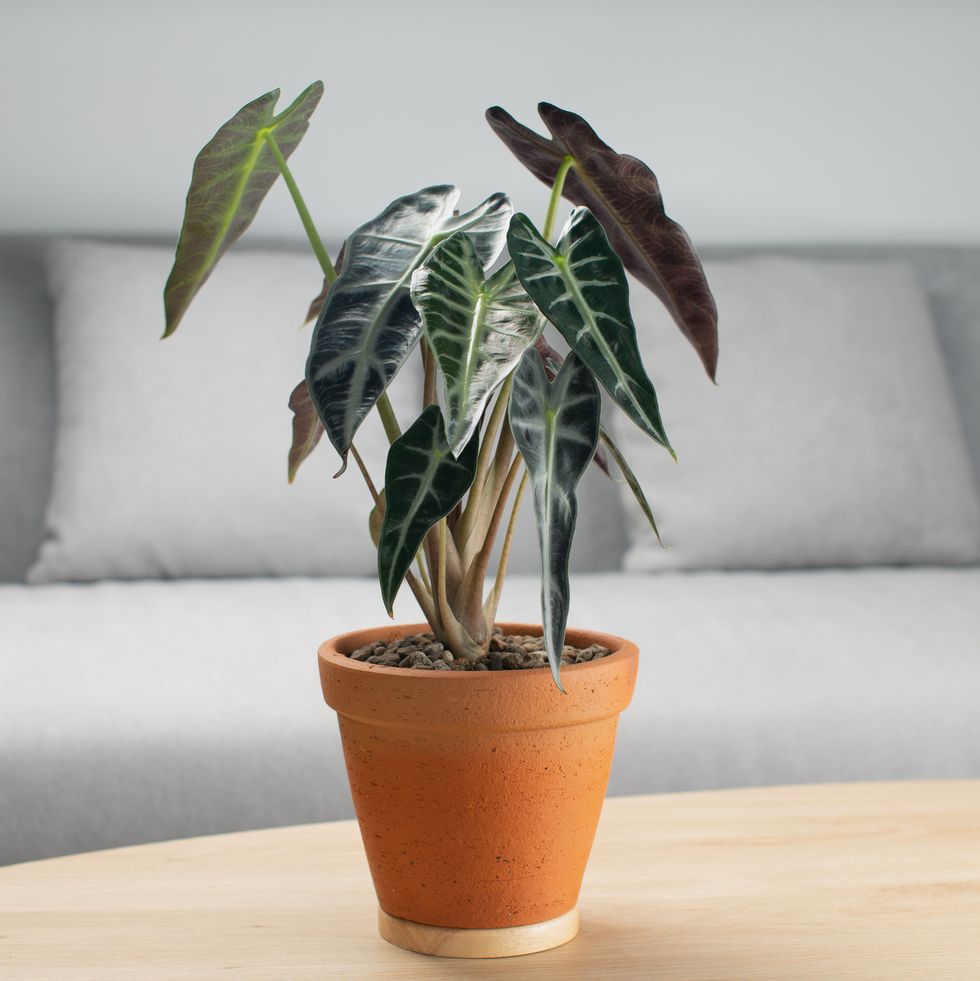
If you want to spend a little more time with your houseplants, try elephant ear plants. “They look tropical with their huge and dramatic foliage,” says Tammy Sons, CEO/Founder of TN Nursery in Tennessee.
Elephant ear plants are organized into a group of tropical, perennial plants instantly recognizable by their big, heart-shaped leaves. “They require warm temps and a lot of irrigation,” Sons advises. “They can get big and may need extra space. Most love full shade, but some need partial sun.”
One thing to watch out for: the leaves of this plant contain harmful elements that, when ingested, can cause symptoms such as blisters in the mouth, nausea and vomiting, and severe swelling of the tongue, mouth and eyes.
Spider Plant
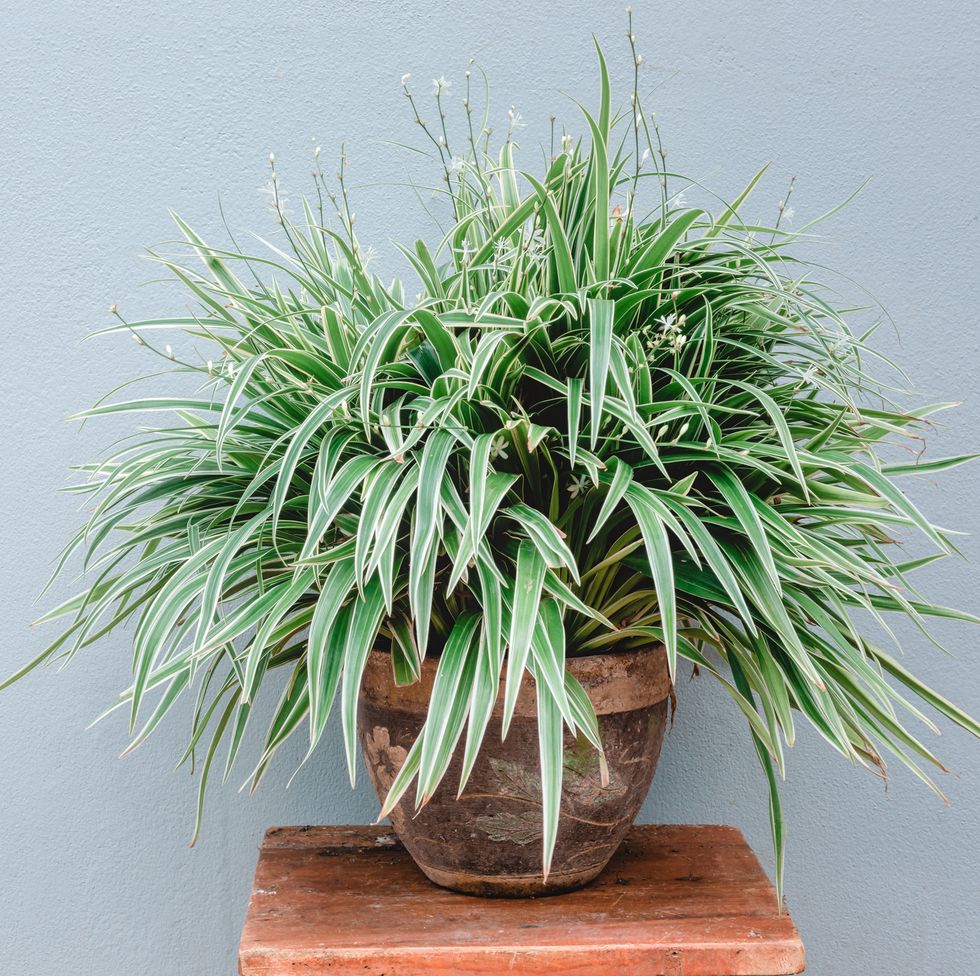
Spider plants, or Chlorophytum comosum, are “one of the easiest to grow—[it] thrives on neglect,” says Sons, who explains that spider plants do well in various conditions and can tolerate low light.
If just reading the word “spider” in the name is giving you the creeps, don’t worry. These plants have narrow leaves and get their name from the “small plantlets produced on long trailing stems that vaguely resemble spiders,” reports the University of Wisconsin-Madison Division of Extension. Think of the plantlets—or as Sons calls them, “pups”—as a bonus, as they can be “propagated effortlessly” (removed and planted individually) so you can have even more spider plants!
Snake Plants
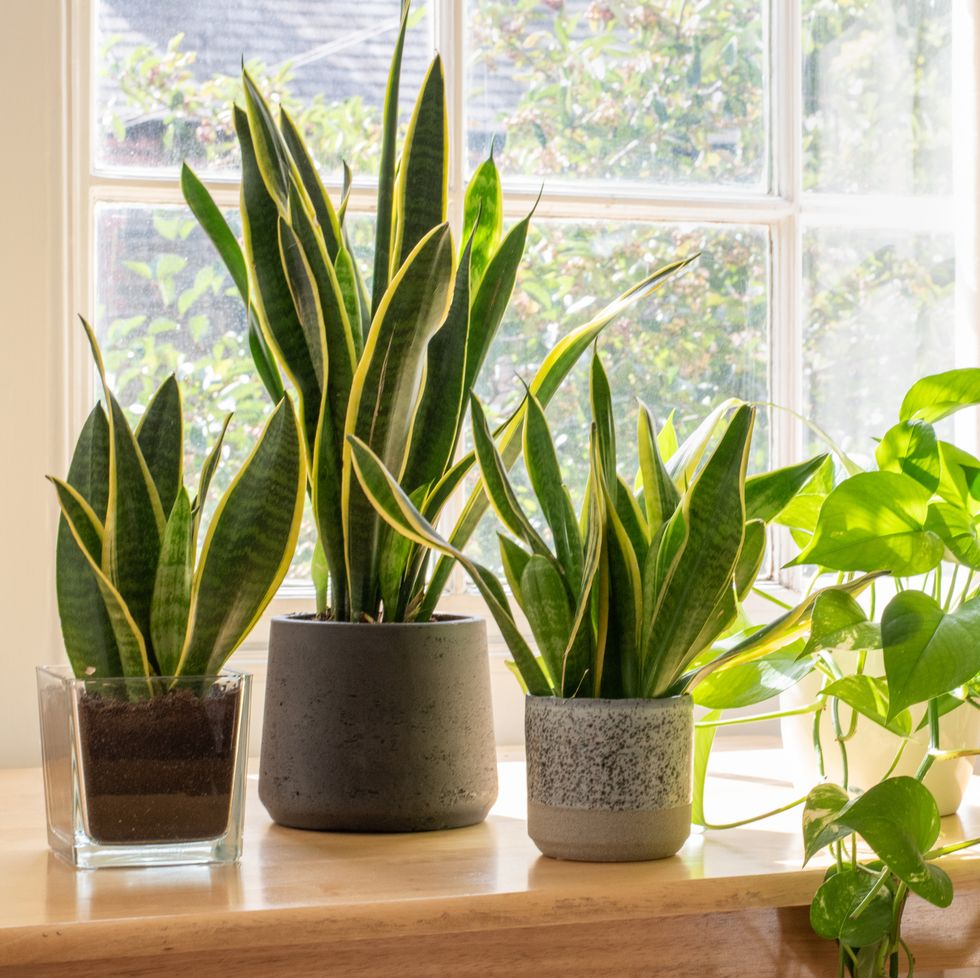
Also known as “mother-in-law’s tongues,” the snake plant, or Sansevieria trifasciata, is known for having tall leaves that grow vertically. But there are many varieties of snake plants. Some have striking yellow accents; other types are long and curvy; and still others are cute and spiky. However, all snake plants have one thing in common: they’re extremely low-maintenance. The plants should only be watered when the soil is dry, grow in any kind of light and generally “thrive on neglect,” according to experts at HGTV.
Despite being low-maintenance, they look great on any kitchen windowsill—although you’ll want to keep them out of reach of pets, as they’re considered toxic to cats and dogs.
Succulents and Cacti
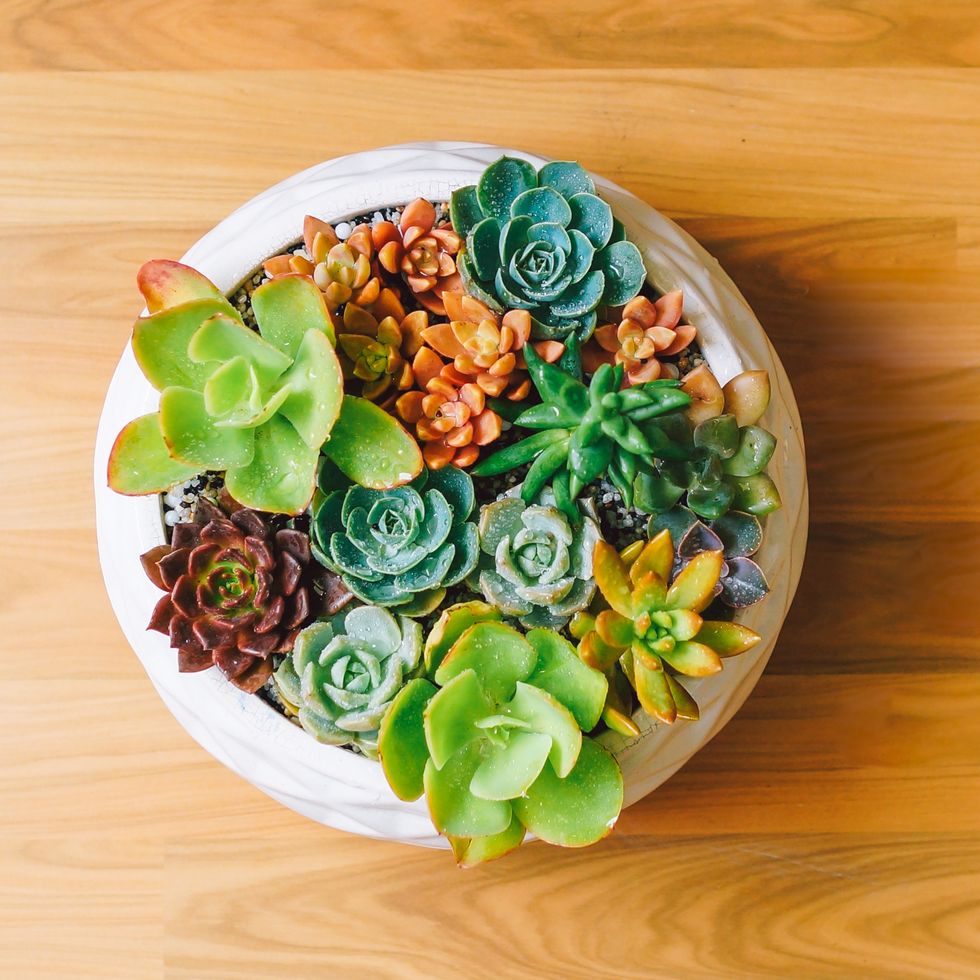
Succulents and cacti are great “for those who forget to water plants or want low maintenance greenery,” says Sons. They are also downright adorable and come in many shapes and sizes to decorate your space.
Succulents come in many shapes and sizes, and aloe vera plants in particular have medicinal properties and can help heal cuts, burns, and other skin ailments. Since succulents are drought-resistant, they really are the epitome of a stress-free plant that still adds that touch of nature you may crave, especially in urban areas.
“They make us feel closer to nature, when nature may not be right outside our door. Living in an apartment or working in a high rise makes it harder to get out and enjoy nature. Greenery in our homes brings nature in,” says Steinkopf.
One thing to remember about these cute little plants? “Use well-draining soil and water sparingly,” warns Sons. “Overwatering is the biggest killer of succulents and cacti.”
Peace Lily
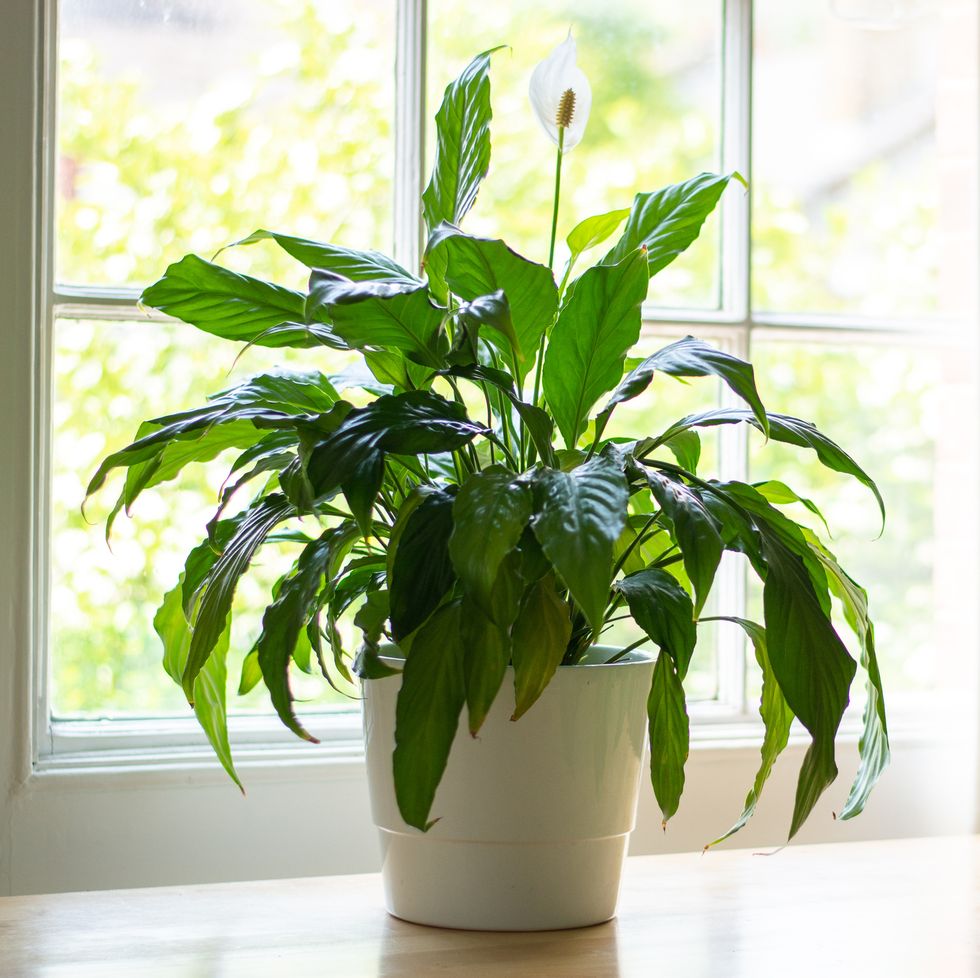
The name “peace lily” definitely evokes a sense of calm, and Sons describes this plant as “very easy and low-maintenance; hearty, but sensitive to drought and excessive heat.”
Since Peace Lillies prefer indirect, low-to-medium light, they’re ideal for shady spaces. They’ll also give you the heads-up when they need attention: “It tells you when it needs water by wilting slightly,” says Sons. Peace lilies can live for years and continuously produce broad white flowers that resemble a white peace flag. They’re easy to take care of and don’t need much light, so they’re ideal for shady spaces. Just keep them out of reach from pets and small children, as they can cause vomiting or tongue swelling if they’re ingested.
Rubber Plants
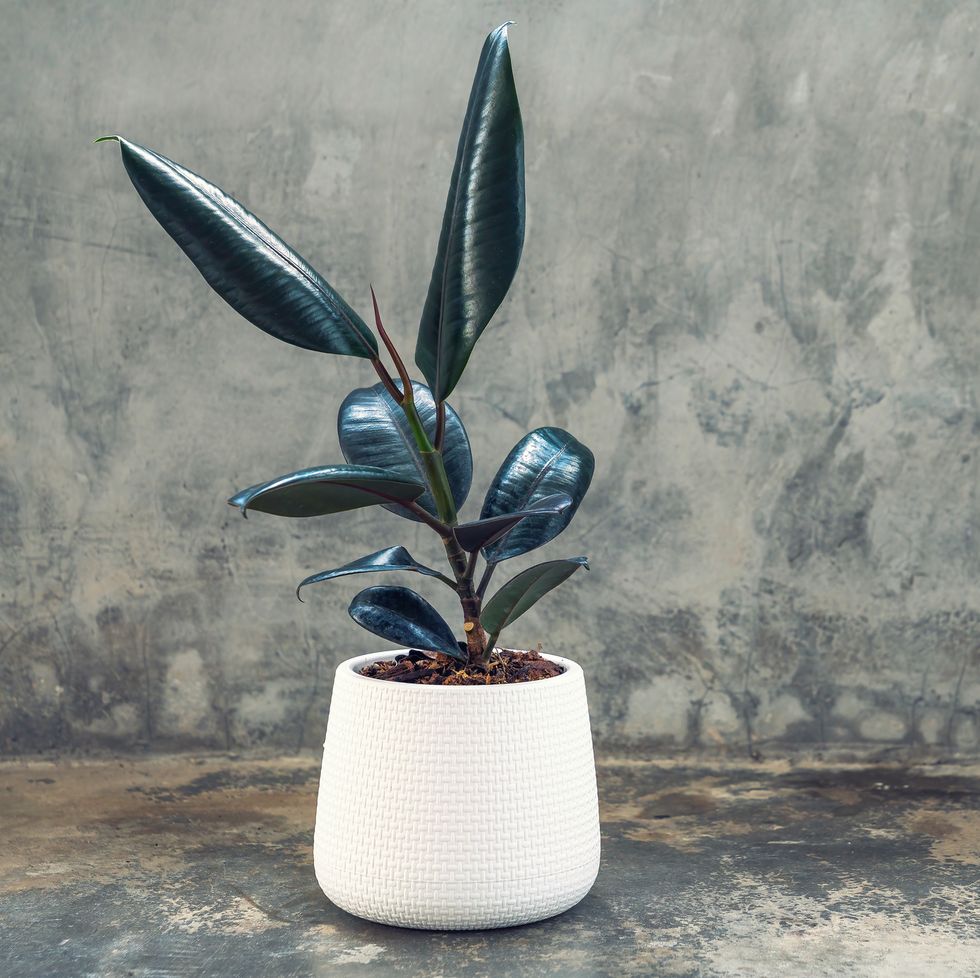
Rubber plants — also known as rubber trees or Ficus elastica — make for great indoor houseplants. They’re generally easy to take care of and only need to be watered every week or so, according to The Sill. This is another plant that must be kept away from any pets and young children, as they’re known to be highly toxic when ingested.
Ferns
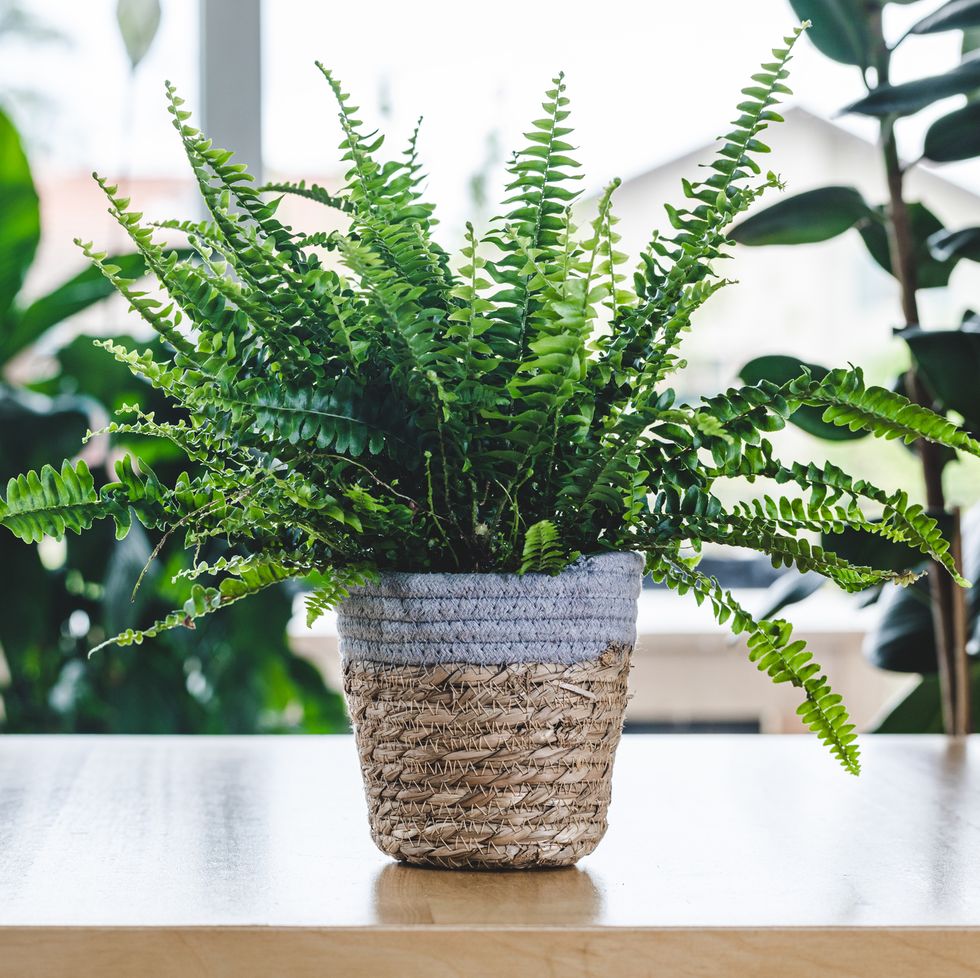
Ferns grow easily and look the best indoors in hanging baskets or on plant stands, which allow their fronds to drape. They need medium bright light and consistently moist soil, so they might require a bit more of your time.
Pothos
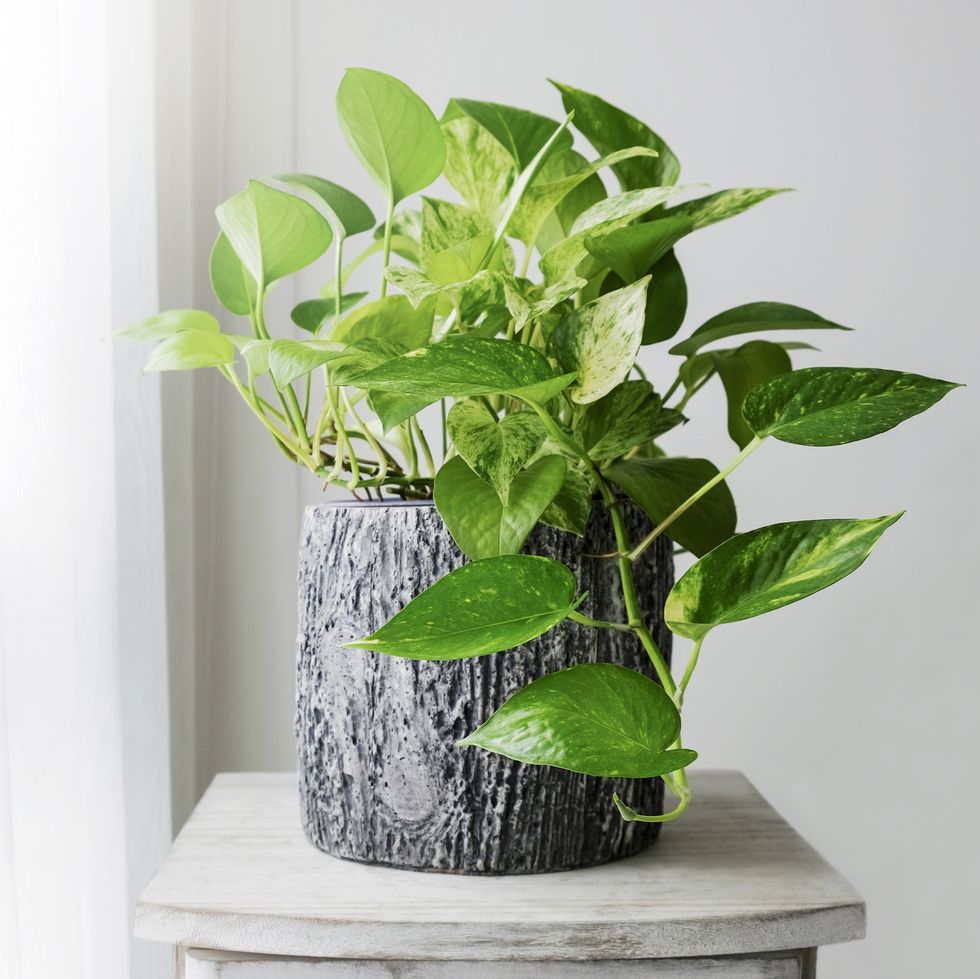
When you picture a houseplant, the pothos, or Epipremnum pinnatum, is likely what comes to mind. Also known as devil’s ivy or golden pothos, the plants feature vibrant heart-shaped leaves that may be green or marbled green and yellow. They’re easy to grow, needing only indirect sunlight and infrequent watering.
Plus, these plants are also aesthetically-pleasing, which can give you a sense of comfort at home. Nussman-Berry appreciates the “lush greenery” of pothos plants, adding that they “can instantly uplift my mood and bring a touch of nature indoors.”