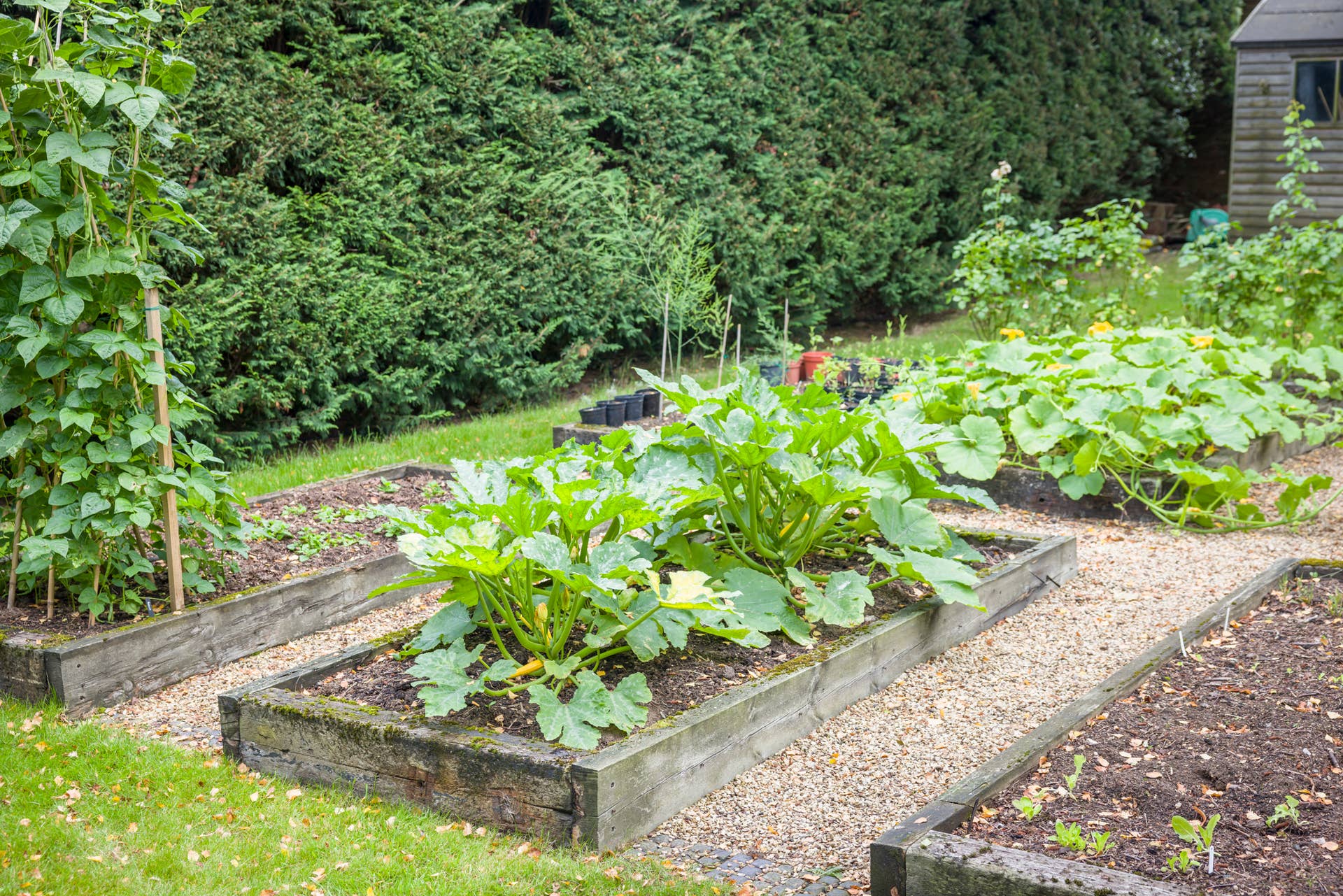
And the best wood for a raised garden bed is…cedar. Our experts unanimously name this hardwood as the best possible choice for this purpose, for several reasons.
The first- and most compelling—one is the exceptional durability of cedar in a wide range of climatic conditions. Nicole Johnsey Burke, gardening expert and CEO of Gardenary, attests to this, telling us that she personally has gardened in cedar wood-raised beds in 3 very different climates: Houston, Chicago, and Tennessee. Cedar has worked amazingly in each, which Burke attributes to the wood’s natural anti-rot and anti-pest qualities.
Cedar wood naturally contains chemicals called tannins, which is what gives it the rot and pest resistance and antimicrobial qualities. Burke says that “you can expect to garden in your cedar raised bed for at least 10 years before it starts to degrade.”
This is impressive durability given all that raised garden beds have to be able to withstand. As Burke points out, “a raised bed is not a fence…you’re going to be asking a lot more from the wood in your garden than the wood around your yard. Not only will it be exposed to the weather, it will be constantly pressed up against wet, heavy soil which can ruin lesser quality wood fast.”
Cedar also looks and smells great; Andy Wu, who is an Outdoor Living Expert and Founder at Backyard Oasis, praises cedar’s “warm and rich tones”. Cedar is the “one wood that hits the sweet spot of lastingness, attractiveness, and safety for edibles”, concludes Wu.
Do I Need to Treat Cedar Raised Garden Beds?
No—and this is another huge benefit of using cedar for your raised garden beds. Untreated cedar is our gardening specialists’ top choice thanks to its high safety profile. Any chemical treatment will create the possibility for your vegetable garden to become contaminated, so it’s best to steer clear of any stains, oils, or fungicides. Even if they don’t make your food toxic, they will leach into the soil and potentially alter its chemical and bacterial balance.
And if you were wondering about painting your raised beds, avoid that too. Steve Corcoran, CEO of Lawn Love, points out that painted wood poses essentially those same risks, which is why you want untreated wood.”
If you really want to protect your cedar beds, Nicole Burke advises using an eco-friendly whey-based stain. Burke has one and “swears by” it, using it for all her client’s garden projects.
A whey-based stain is also useful for refreshing cedar raised beds that have begun showing their age. Long before cedar begins showing signs of physical damage, it will sometimes lose its beautiful color and start looking a little gray. That’s where the stain can be useful. You really don’t have to stain cedar, but you can if aesthetics are a concern.
What Are Alternatives to Cedar for Raised Garden Beds?
Perhaps cedar is difficult to come by where you are, or you want to spend a bit less on your raised beds. You have 3 main alternatives: hardwoods, softwoods, and composite or pressure-treated woods.
Choosing the right wood for your raised garden beds is no small matter. Depending on what wood you go with, you could enjoy your raised beds for many, many years to come – or discover that you have to rebuild them more often than you’d like.
The wood requirements for a building a raised garden bed differ substantially from pretty much everything else in your garden. Not even your deck gets quite the amount of wear and environmental pressure as your garden beds. At the same time, you can’t just automatically get treated wood as you would with your deck (more on that below). Your wood will need to be safe for growing food and exceptionally durable. Fortunately, after consulting with gardening and landscaping experts, we’ve found the one you need.
What’s the Best Wood for a Raised Garden Bed?
And the best wood for a raised garden bed is…cedar. Our experts unanimously name this hardwood as the best possible choice for this purpose, for several reasons.
The first- and most compelling—one is the exceptional durability of cedar in a wide range of climatic conditions. Nicole Johnsey Burke, gardening expert and CEO of Gardenary, attests to this, telling us that she personally has gardened in cedar wood-raised beds in 3 very different climates: Houston, Chicago, and Tennessee. Cedar has worked amazingly in each, which Burke attributes to the wood’s natural anti-rot and anti-pest qualities.
Cedar wood naturally contains chemicals called tannins, which is what gives it the rot and pest resistance and antimicrobial qualities. Burke says that “you can expect to garden in your cedar raised bed for at least 10 years before it starts to degrade.”
This is impressive durability given all that raised garden beds have to be able to withstand. As Burke points out, “a raised bed is not a fence…you’re going to be asking a lot more from the wood in your garden than the wood around your yard. Not only will it be exposed to the weather, it will be constantly pressed up against wet, heavy soil which can ruin lesser quality wood fast.”
Cedar also looks and smells great; Andy Wu, who is an Outdoor Living Expert and Founder at Backyard Oasis, praises cedar’s “warm and rich tones”. Cedar is the “one wood that hits the sweet spot of lastingness, attractiveness, and safety for edibles”, concludes Wu.
Do I Need to Treat Cedar Raised Garden Beds?
No—and this is another huge benefit of using cedar for your raised garden beds. Untreated cedar is our gardening specialists’ top choice thanks to its high safety profile. Any chemical treatment will create the possibility for your vegetable garden to become contaminated, so it’s best to steer clear of any stains, oils, or fungicides. Even if they don’t make your food toxic, they will leach into the soil and potentially alter its chemical and bacterial balance.
And if you were wondering about painting your raised beds, avoid that too. Steve Corcoran, CEO of Lawn Love, points out that painted wood poses essentially those same risks, which is why you want untreated wood.”
If you really want to protect your cedar beds, Nicole Burke advises using an eco-friendly whey-based stain. Burke has one and “swears by” it, using it for all her client’s garden projects.
A whey-based stain is also useful for refreshing cedar raised beds that have begun showing their age. Long before cedar begins showing signs of physical damage, it will sometimes lose its beautiful color and start looking a little gray. That’s where the stain can be useful. You really don’t have to stain cedar, but you can if aesthetics are a concern.
What Are Alternatives to Cedar for Raised Garden Beds?
Perhaps cedar is difficult to come by where you are, or you want to spend a bit less on your raised beds. You have 3 main alternatives: hardwoods, softwoods, and composite or pressure-treated woods.