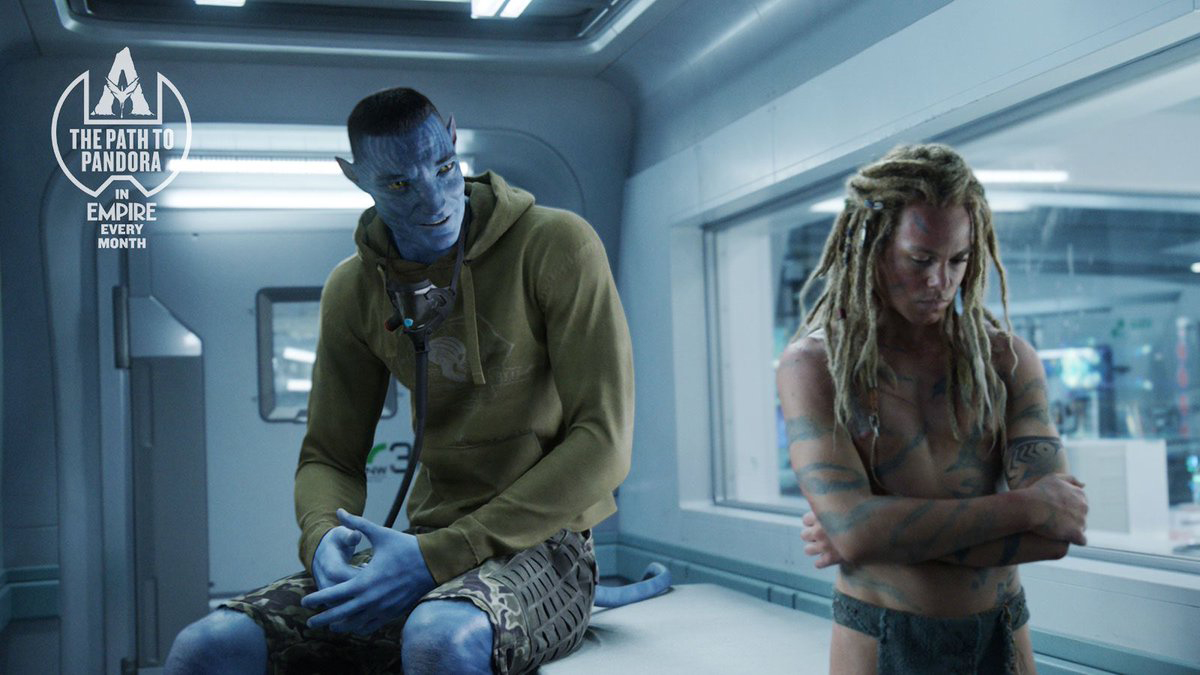
In a 2025 filled with blockbusters and the return of major franchises, all eyes are turning toward the end of December, when director James Cameron is set to release Avatar: Fire and Ash, the third installment of the science-fiction epic hailed as the greatest cinematic ambition of the 21st century.
No longer simply a sequel, Avatar 3: Fire and Ash carries bigger expectations than ever before: to prove that Pandora is not only a breathtakingly beautiful world, but also an enduring cinematic brand.
Following the phenomenal success of the first two films, with total box office revenue exceeding $5 billion and both securing spots in the top three highest-grossing films of all time, the third film has now become the “linchpin” that will determine the future of the universe James Cameron has nurtured for nearly two decades.
James Cameron is betting his cinematic dream on the third installment of Avatar: Fire and Ash
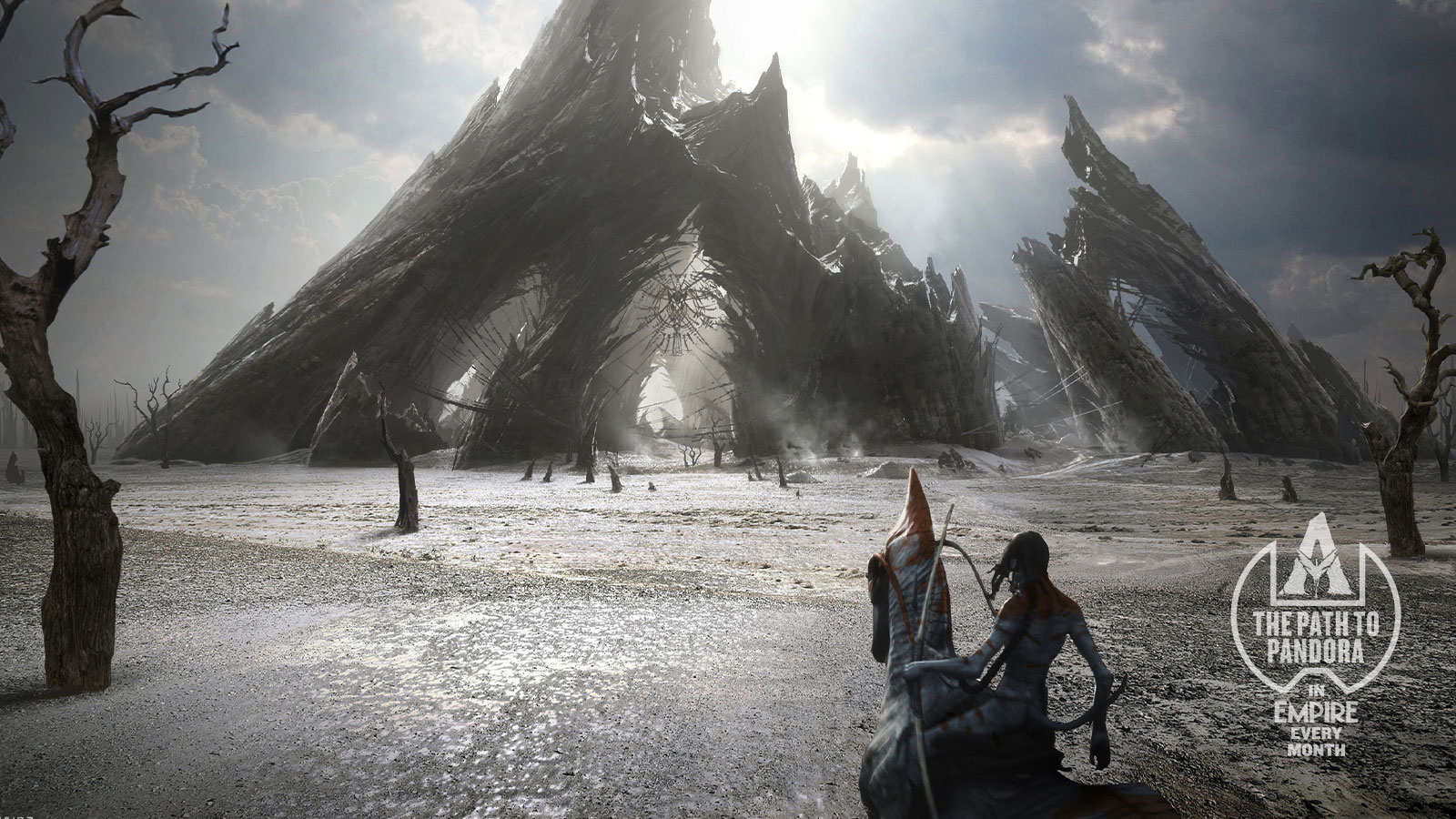
Avatar 3: Fire and Ash marks a critical turning point in the story. Not only will it continue to follow the family of Jake Sully and Neytiri amid tribal fractures, but it will also introduce a new clan with a much darker tone.
After immersing viewers in the lush green forests and the vast oceans in the first two films, this time audiences will be taken to an entirely new region on the planet Pandora, home to the Ash People. Unlike previous clans — often depicted as peaceful and spiritual — the Ash People are described as violent and destructive, with deep-rooted internal conflicts.
This signals that this Avatar installment is not just a symbol of a change in setting but also a clear sign that Fire and Ash will explore new layers of conflict: no longer just between humans and the Na’vi, but within the Na’vi themselves. This is considered a necessary step to expand the storytelling space while paving the way for the future growth of the Avatar universe.
Another notable detail: the leader of the Ash People is Varang, a female character portrayed by Oona Chaplin (famous for playing Talisa Stark in Game of Thrones). Although she has not appeared in the previous two films, Varang has already been confirmed to continue appearing in at least the next three films, showing that this is a character with depth and a long-term role in the Avatar universe.

As a pivotal film, Avatar 3: Fire and Ash is facing the greatest pressure in the franchise’s history. The film must succeed financially to safeguard the future of its subsequent installments.
With an investment reportedly exceeding $350 million, plus global marketing costs, Avatar 3 needs to gross at least $875 million just to break even. In a time when not every blockbuster can sustain audience interest after the pandemic, this is no small challenge, even for a franchise that has repeatedly smashed box office records.
Even more striking, Avatar 3 is the first installment in the series to face such revenue pressure. The first film was a risky bet that paid off beyond expectations. The second film, The Way of Water, although expensive, was shot alongside the third film, which helped share production costs. Meanwhile, Avatar 4 and Avatar 5 have been scripted but not yet filmed. If Fire and Ash fails, the production plans for those future parts could be postponed indefinitely.
Can Avatar: Fire and Ash continue to build the legend?
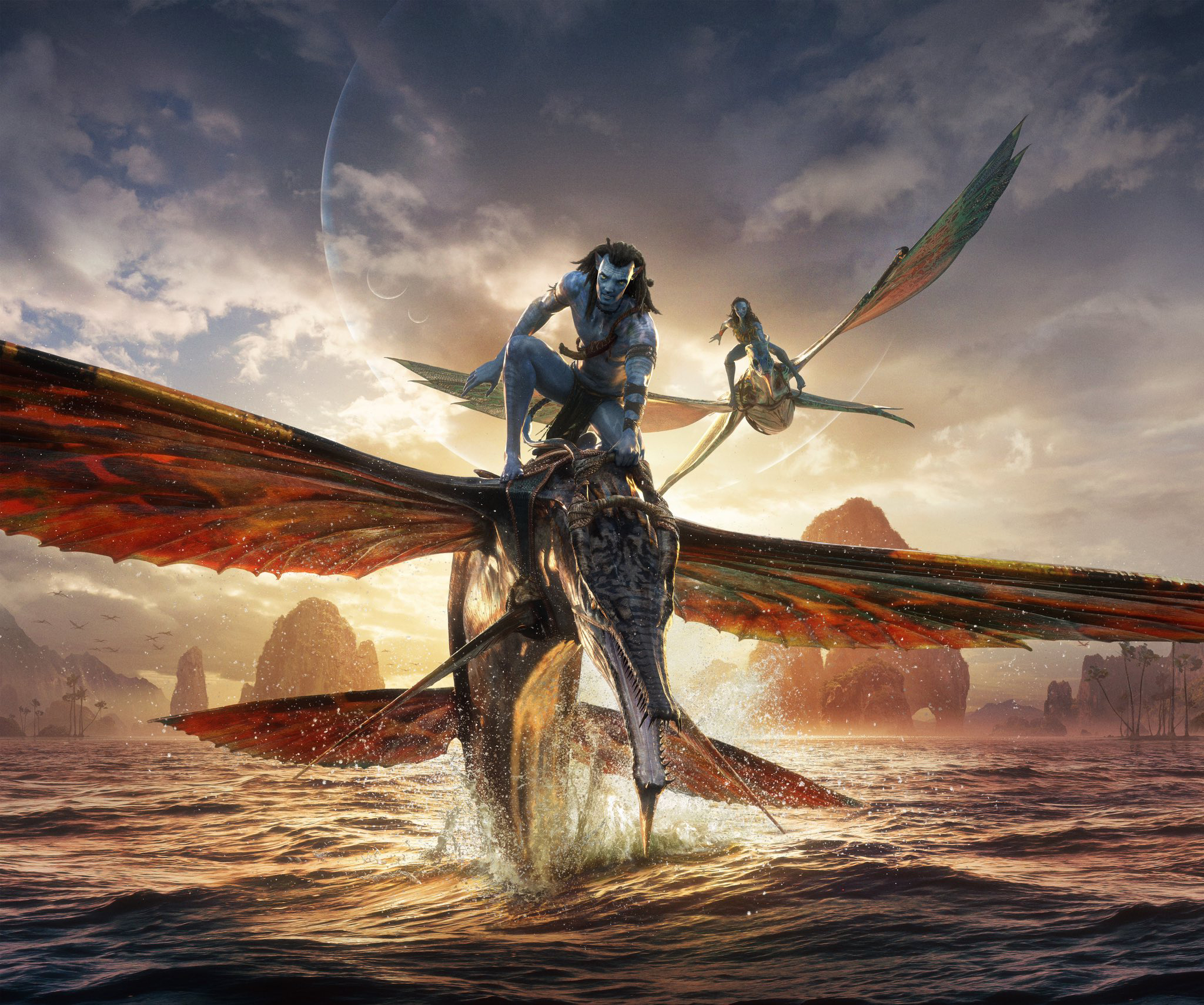
Despite facing unprecedented pressure, the likelihood of success for Avatar 3 is still considered high. The first two films were not only box office phenomena, but also created a cultural legacy, pushing cinematic visual effects to an art form while addressing global issues like environmental protection, cultural identity, and family bonds.
With its enduring worldwide appeal, Fire and Ash only needs to maintain its quality and emotional impact to easily surpass $1.5 billion in box office revenue — a large enough figure to green-light Avatar 4 (expected in 2029) and Avatar 5 (expected in 2031).
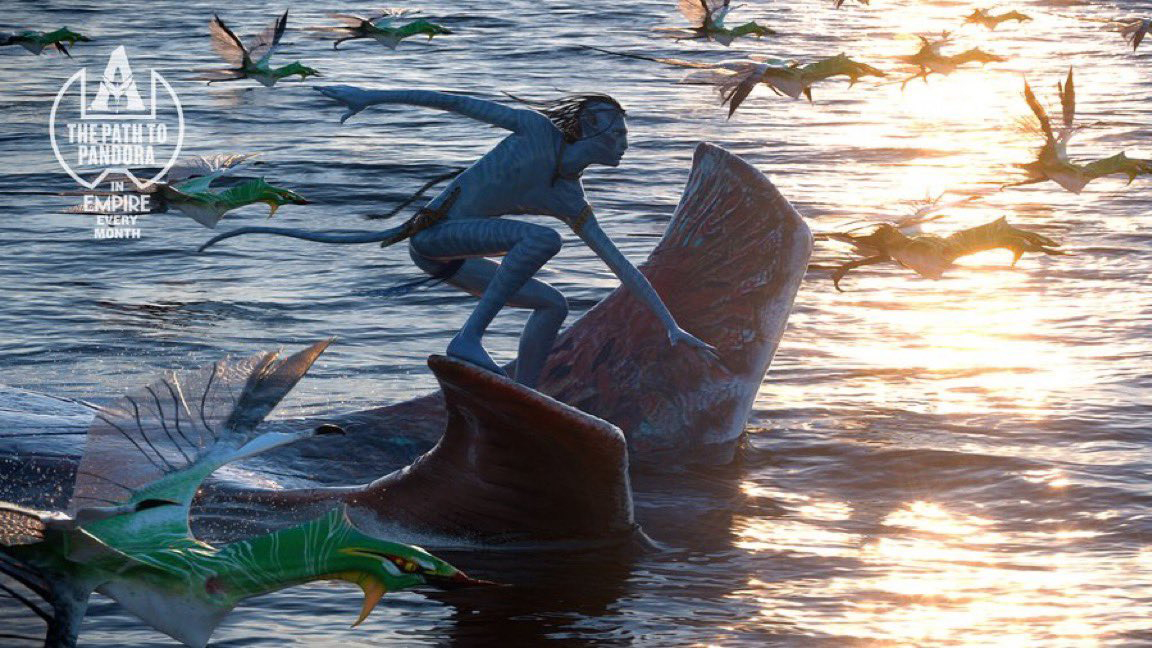
Whether successful or not, the third Avatar installment will be a landmark moment not just for director James Cameron but for Hollywood as a whole. If the film triumphs, it will be a powerful statement that cinematic universes guided by a consistent vision and serious investment can still thrive in the future. On the other hand, if it fails to meet expectations, Fire and Ash will become a textbook example of the risks of betting too heavily on a long-term franchise model.
Will Hollywood still have the patience, and will audiences still have enough passion for cinematic dreams nurtured over decades?