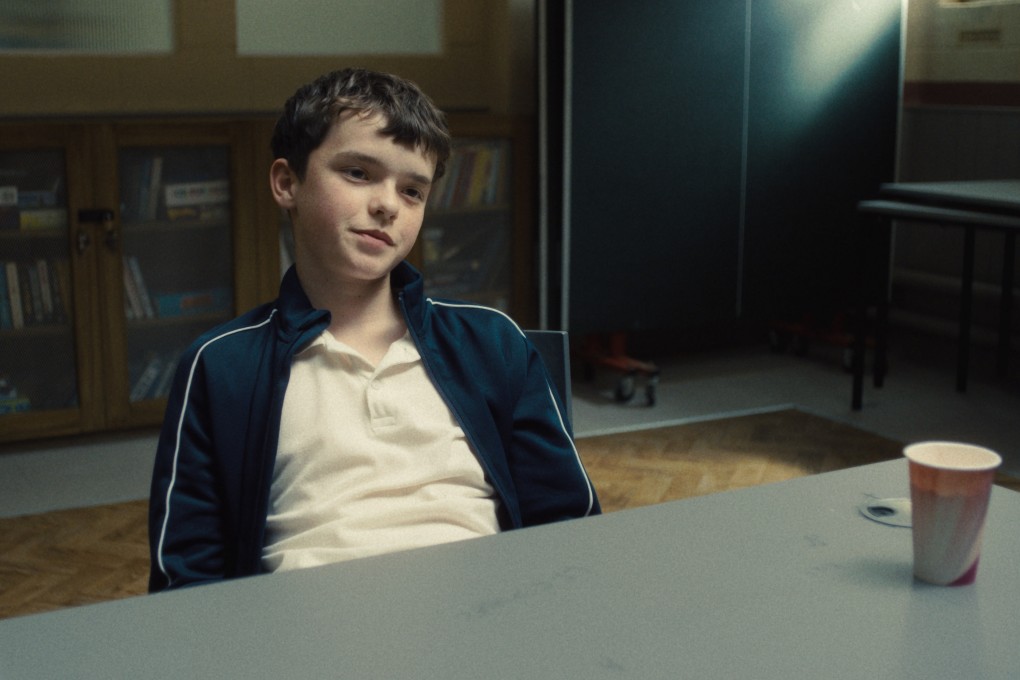
Dr Jeffy Ho, lead clinical adviser at Mind Hong Kong, explains that masculinity in Hong Kong is shaped by a mix of traditional Chinese values of filial piety, stoicism and duty, along with Western influences of independence, assertiveness and emotional openness. Dr Ho’s work with Mind Hong Kong includes oversight of the Improving Access to Community Therapies programme*, which offers low-intensity psychological support sessions from trained well-being practitioners, including school-based services made available to students. These programmes are designed, among other things, to “help teens build skills for navigating peer and adult relationships […] and cope with the social pressures that arise from all situations, which may include gender expectations”.
Ho says there are common narratives around masculinity, including “men as providers and protectors, [and] emotional restraint, toughness and academic or professional success as markers of male worth and leadership, confidence and competitiveness – as well as avoidance of traits considered ‘feminine’”. Adolescent identities form as the result of a complex mix of biopsychosocial changes, he explains. “These intersecting factors […] make it even more challenging to navigate what it means to be a man,” he adds.
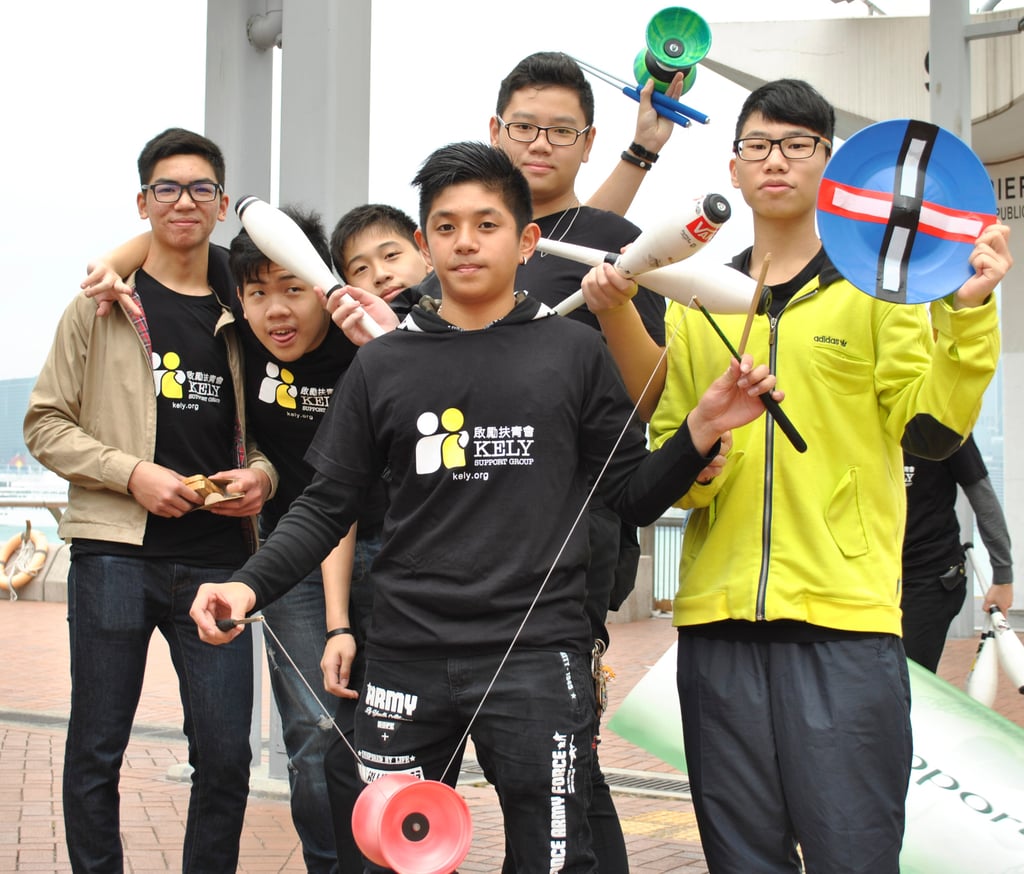
Louis Hou, executive director of KELY Support Group, which provides education, outreach and support programmes to empower youth with “knowledge, resilience and confidence to challenge traditional norms”, agrees that “local culture, heavily influenced by historical media portrayals, continues to reinforce traditional views of masculinity. This phenomenon isn’t unique to Hong Kong, but is observed globally.”
Dr Wilbert Law, chairman of the division of educational psychology of the Hong Kong Psychological Society and assistant professor in the department of psychology at The Education University of Hong Kong, echoes these sentiments. “Traditionally, there are certain narratives around masculinity in Hong Kong Chinese [culture] such as being the breadwinner or master of the house, taking on leadership roles in society, carrying on the lineage, and protecting women and more vulnerable [people],” he says. As to whether these ideas are changing, Law explains this is less straightforward. “It depends on age groups as well as religious and cultural backgrounds,” he says. With multiple types of masculinity being acknowledged and demonstrated across society, he adds, “There is more heterogeneity in what defines a man.”
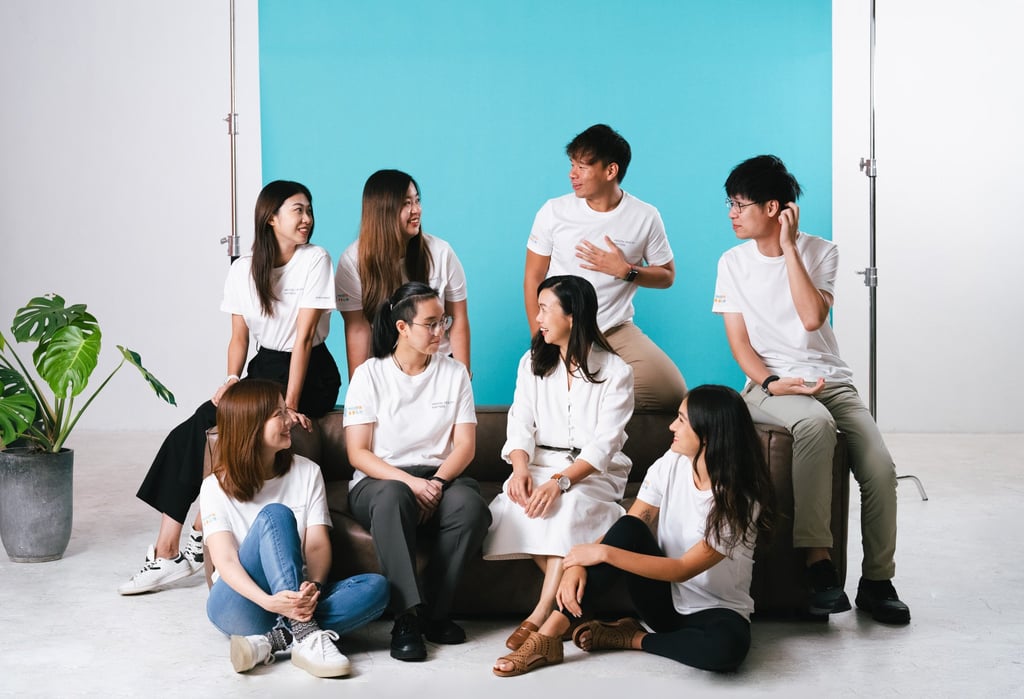
According to Hou, there has been a shift in Hong Kong towards a “soft masculinity”, where men are encouraged to embrace vulnerability. “Mental health has entered the discourse, with growing societal support for men to express a broader emotional range. The rise of male-oriented support groups and mental health resources further underscores this departure from traditional ideals of stoicism, reflecting wider acceptance of diverse emotional expression.” In addition to this, traditional expectations of male breadwinners are changing, says Hou.
This shift remains incomplete, he adds. However, among adolescents in particular, Hou sees a marked shift, “increasingly challenging traditional gender norms, demonstrating greater willingness to explore alternative masculine identities. This […] coincides with rising female empowerment and evolving social expectations.”
Law cites a 2021 report by The Women’s Foundation, which explores masculinity in male university students and identifies subtypes of masculinity including “macho”, “restrained”, “paternalistic” and “liberal”. “With all these changes, there seems to be more acceptance of subtypes of masculinity but at the same time there are also new expectations of males,” says Law. These are the result of foreign cultural influences such as from K-pop, as well as social media, increasing awareness of equal opportunities and changes in femininity and women’s roles in society, and education, he adds.
These wide-ranging influences also include the significant impact of social media and the entangled web of the online “manosphere” – an array of online forums, blogs and websites that promote particular iterations of masculinity that lie in opposition to feminism and espouse misogynist viewpoints.
Social media can be something of a double-edged sword, says Hou, “simultaneously promoting progressive gender norms while exacerbating issues like cyberbullying. Many adolescent males report feeling caught between residual expectations of stoicism and new pressures to demonstrate emotional vulnerability.” Hou explains how adolescents are particularly vulnerable to the risks that social media poses, as “teenage brains are still developing and particularly sensitive to external influence, [and] these platforms exert a significant impact on identity formation”.
Ho sees social media accelerating exposure and allowing for engagement far beyond their immediate environments and communities, as well as producing a possible echo chamber effect. Hou agrees, warning that “the algorithmic amplification of extreme content can lead to disproportionate exposure to harmful masculine ideals”. This can lead to issues including “exposure to harmful or misleading content that lacks evidence, amplified peer pressure beyond in-person relationships, reduced visibility for adults to intervene and guide, and vulnerability to exploitation or harmful ideologies”.
“Social media can be a major pusher in reinforcing or dismantling gender stereotypes, so it is important that we leverage [it] positively to share diverse and healthy masculine narratives,” says Hou.
Schools and education settings play a pivotal role in supporting healthy understandings of masculinity for adolescents. First and foremost, Ho advises staying informed and taking an interest in what young people are exposed to online. “Take an open mind and curious stance, and avoid being judgemental without first understanding.” Open communication can be further aided and supported by trained psychologists and counselling professionals who can create open and safe spaces for expression, he adds.
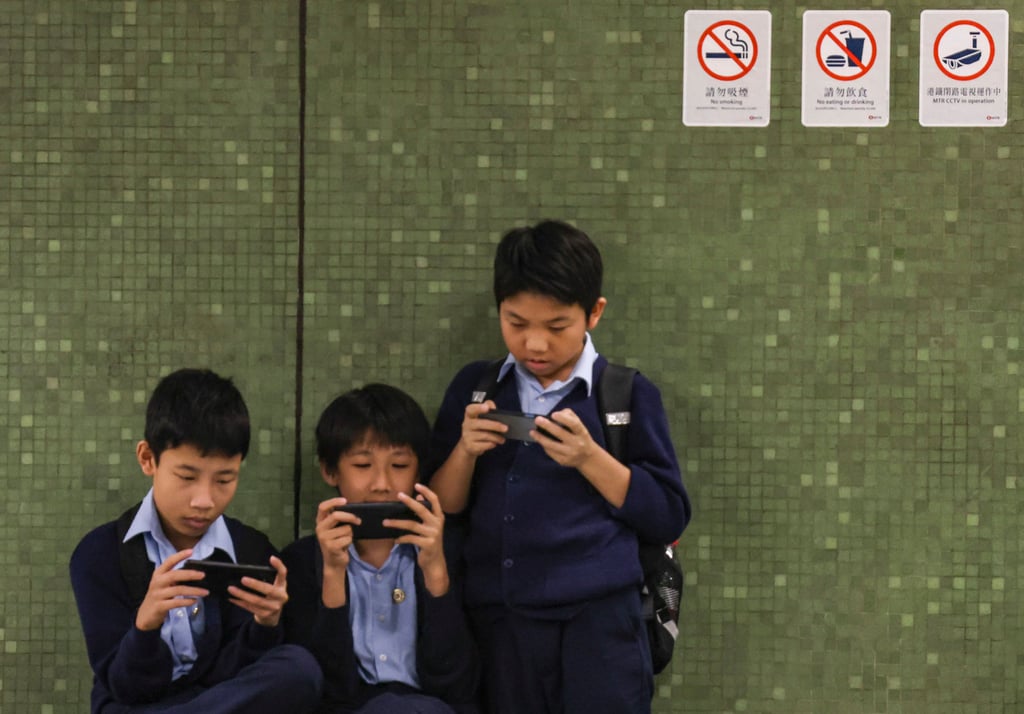
In addition to schools, Law says social workers and non-governmental organisations have a key role to play in creating “safe spaces for young people to discuss their exploration of gender identities and celebrations of diversity”. He further calls for prominent figures like celebrities to lead by example and share their emotions and experiences with their audiences, as well as for educators and professionals to be equipped with the terminology to work effectively.
“By fostering environments that nurture generations of young men who are comfortable with emotional expression, respectful of gender diversity and resilient against harmful stereotypes, schools can achieve more than mere awareness,” says Hou. “This shift in educational practice represents more than progressive pedagogy; it is an investment in creating a society where all young people, regardless of gender, can thrive emotionally and socially,” he adds.
Ultimately, says Hou, “It is paramount that we normalise conversations about emotions, vulnerability and mental health among young people.
“Encouraging them to share their feelings and actively seek help when they need it is the most effective way to help them build resilience and a more inclusive, positive model of masculinity.”