A Charlie Brown Christmas at 60: The Cartoon That Still Proclaims the Heart of Christmas
Six decades later, one quiet, unconventional TV special continues to say what the season is really about—better than anything else.
In a world of ever-louder holidays, flashing lights, and nonstop noise, one gentle cartoon has never stopped whispering a powerful truth. As A Charlie Brown Christmas celebrates its 60th anniversary, its message feels not dated—but desperately needed.
This wasn’t just a Christmas special.
It was a cultural gamble.
And somehow, it became timeless.
A Christmas Special That Broke Every Rule
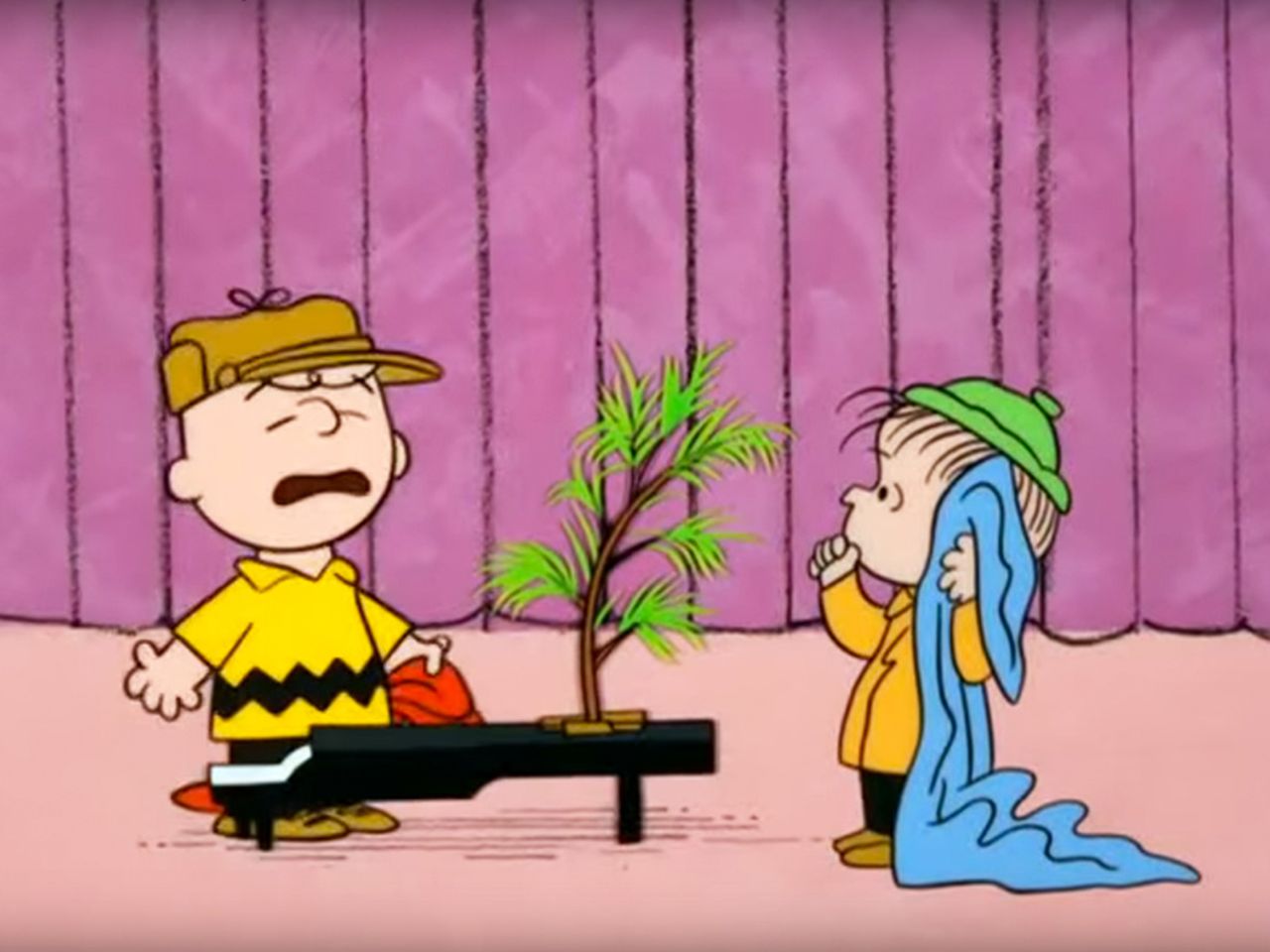
When A Charlie Brown Christmas first aired in 1965, it defied everything television executives thought audiences wanted.
-
No laugh track
-
Child actors with real, awkward pauses
-
Jazz instead of jingles
-
Long moments of silence
-
And a blunt, unfiltered question at its center:
“Isn’t there anyone who knows what Christmas is all about?”
By every commercial standard of the time, it shouldn’t have worked.
Instead, it became a phenomenon.
Charlie Brown’s Struggle Still Feels Familiar
At the heart of the story is Charlie Brown—confused, discouraged, and quietly overwhelmed by a season that feels hollow and performative. Surrounded by flashy decorations, commercial pressure, and shallow cheer, he feels more alone than ever.
Sixty years later, that feeling hasn’t gone away.
If anything, it’s grown.
Charlie Brown’s anxiety, doubt, and longing for meaning mirror what many people still feel every December—making his journey painfully relatable across generations.
The Little Tree That Changed Everything
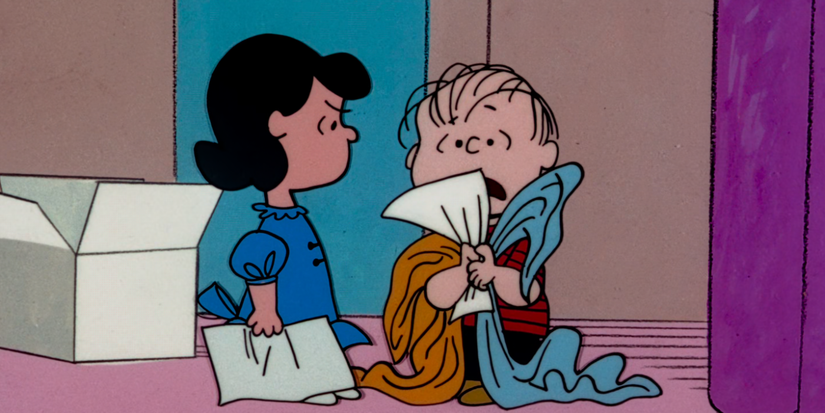
The moment Charlie Brown chooses the sad, spindly little tree remains one of the most iconic scenes in animation history. Mocked at first, the tree becomes a symbol of something deeper:
-
Imperfection
-
Humility
-
Care
-
And the quiet beauty of being chosen anyway
It’s not flashy.
It’s not impressive.
But when treated with love, it becomes enough.
That message hasn’t aged a day.
A Bold Faith Statement—Still Unmatched
Perhaps the most shocking element—then and now—is the special’s centerpiece: Linus stepping into the spotlight to recite the Nativity story from the Gospel of Luke.
No jokes.
No music underneath.
No irony.
Just silence, sincerity, and a child’s voice declaring the heart of Christmas.
In today’s media landscape, it’s almost unimaginable that such a moment would air unchanged on network television. And yet, this scene remains untouched, undefeated, and unforgettable.
The Sound of Christmas, Redefined
The jazz score by Vince Guaraldi gave Christmas a new voice—cool, reflective, wistful, and warm. Those piano notes don’t shout joy; they invite it.
For many viewers, hearing that music is the moment the season truly begins.
It doesn’t demand attention.
It earns it.
Why It Still Matters at 60
A Charlie Brown Christmas endures because it doesn’t try to sell Christmas—it tries to understand it.
It acknowledges:
-
Loneliness during the holidays
-
The emptiness of over-commercialization
-
The longing for something real
And then, quietly, it points toward hope.
Not loud hope.
Not perfect hope.
But honest hope.
Sixty years on, A Charlie Brown Christmas remains a miracle of restraint, sincerity, and courage. It trusts its audience. It honors silence. And it reminds us—gently but firmly—what Christmas is actually about.